
Eight oil companies extracted €7.5 billion in excess profits from European consumers in just the first two quarters of the US-Israel war on Iran — and six EU governments have had enough. Germany, Spain, Portugal, Italy, Poland, and Austria have formally demanded the bloc discuss a windfall tax on oil companies at September's ECOFIN meeting in Dublin, arguing that refining margins have surged far beyond anything justified by the actual increase in crude prices.
The numbers are staggering. The eight biggest oil firms on the planet — Shell, BP, TotalEnergies, Eni, Orlen, Repsol, OMV, and Moeve — raked in a combined $93 billion in the second quarter of 2026 alone, nearly double the same period last year. That works out to more than $700,000 in profit every minute. Across the EU27, Transport & Environment calculates that excess war profits attributable to European operations totalled €1.6 billion in Q1 and €5.9 billion in Q2. The first quarter contained only one month of war; the second was the first full war quarter. Q3 figures, still being compiled, are expected to be even larger.
"We are experiencing one of the biggest supply shocks in decades, and all over the world, there is growing discontent about the rise in the cost of living."
— Joint letter from six EU finance ministers to the Irish EU presidency
The Refining Racket: How Europe's Oil Giants Turned a War Into a Windfall
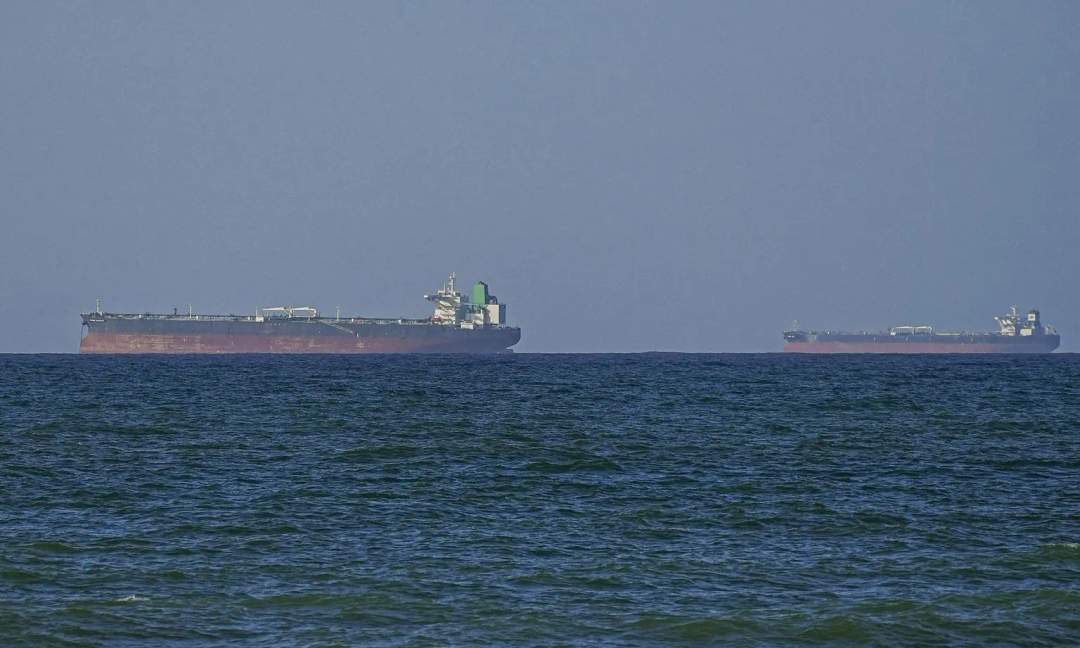
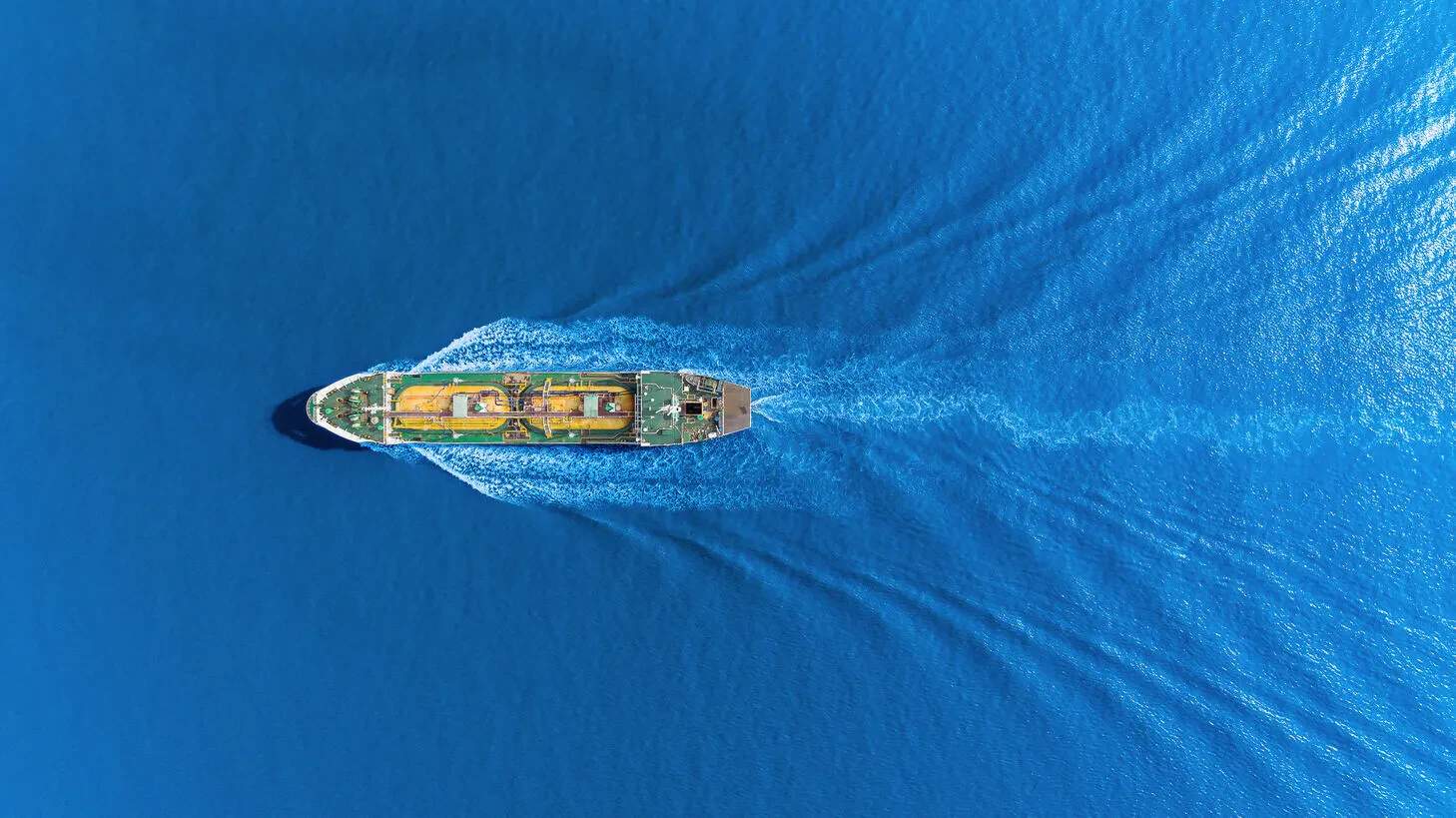
Large crude oil tanker named Odessa sailing through the Strait of Hormuz
Here is the mechanism that matters. These companies did not produce more oil. They did not refine more fuel. In many cases, they actually processed less crude and sold fewer products than the year before. Chevron's quarterly refinery profit was six times higher in 2026 despite processing less crude. What changed was the margin — the spread between what they paid for crude and what they charged for gasoline, diesel, and jet fuel.
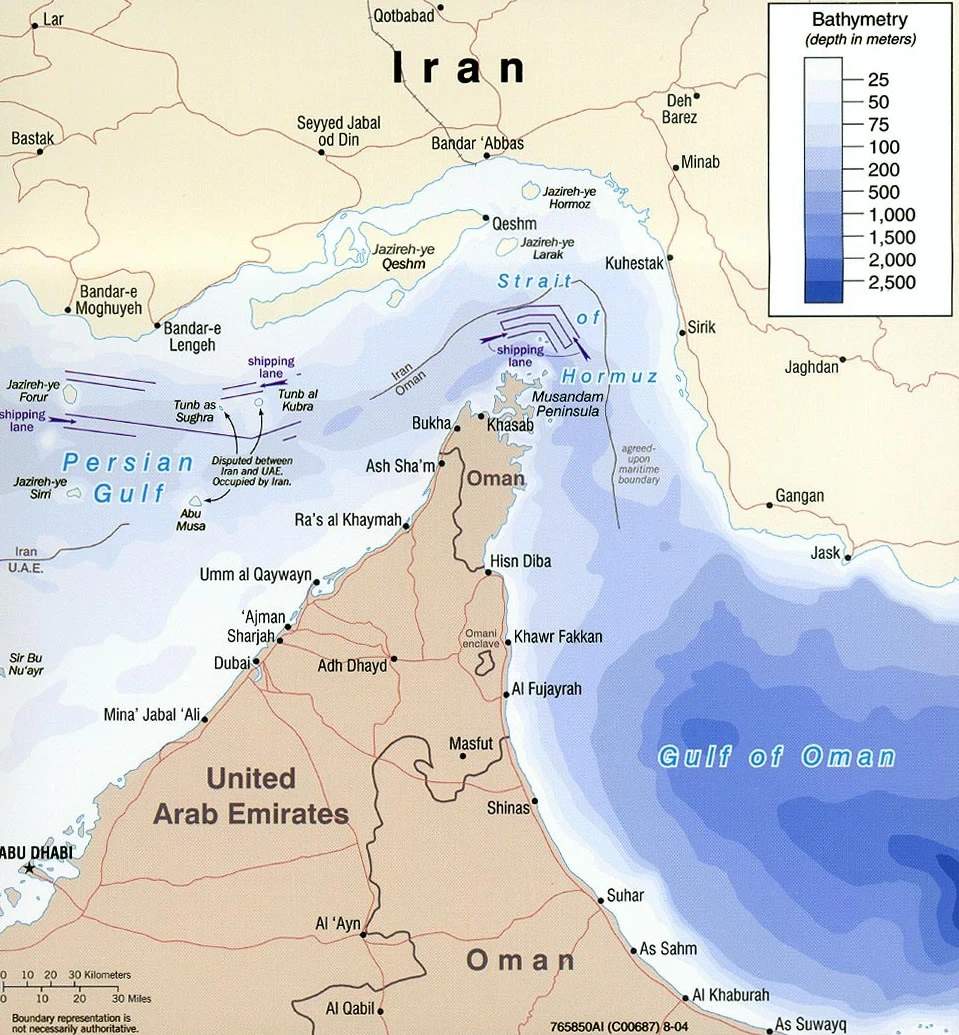
When the Strait of Hormuz was effectively blocked after the US and Israel launched their attack on Iran on February 28, global crude prices climbed from about $72 per barrel to nearly $120. But refined product prices climbed even faster, because the disruption to Middle Eastern exports created acute shortages of diesel, gasoline, and jet fuel in markets that European refineries serve. The companies that owned those refineries didn't create the shortage. They simply exploited it.
Shell, Europe's largest oil company, nearly doubled its Q2 earnings to nearly $10 billion, powered by its massive downstream networks across the Netherlands, Germany, the UK, Italy, and France. BP reported $5.73 billion in Q2 profit, more than double the $2.35 billion from a year earlier, driven largely by its Gelsenkirchen refinery in Germany and other European facilities. TotalEnergies saw earnings surge 67% to $5.4 billion — its best quarter in nearly three years — while CEO Patrick Pouyanné publicly warned of "extremely volatile" conditions, a rhetorical maneuver that costs nothing and justifies everything.
The signatory countries are not coincidental. Repsol, Spain's national champion, saw adjusted net income soar 207% to €1.84 billion in Q2, driven by its refining operations. Spain is the primary driver of the windfall tax initiative. OMV, headquartered in Vienna, sits at the center of Central European refining and has extracted enormous premiums from the supply crunch. Austria signed the letter. PKN Orlen, Central and Eastern Europe's largest refiner, commands massive retail price influence across Poland. Poland signed. Eni, Italy's state-backed oil giant, has similarly profited from refining bottlenecks. Italy signed.
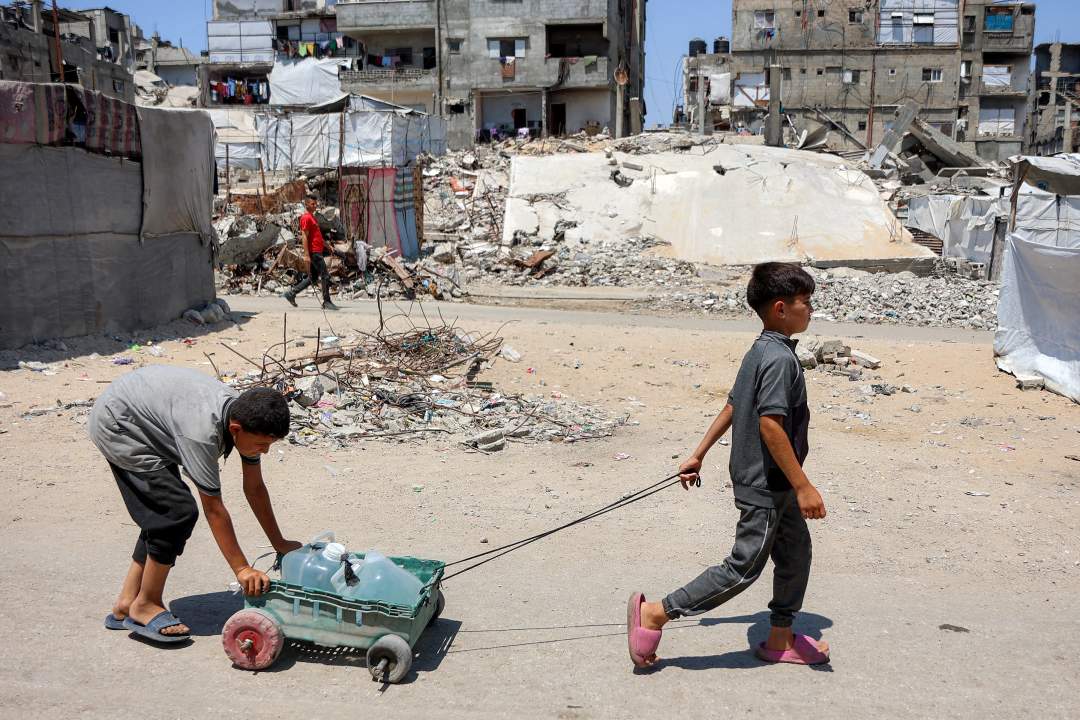
These governments are not abstract moralists. They are states representing constituencies being squeezed. Petrol prices in the UK have hit a new high of 160.85 pence per litre, diesel above 180 pence. The IMF has warned that the global economy is being shaped by forces "pushing in opposite directions." EY has warned the British economy will likely shrink in 2027 if the Strait of Hormuz does not reopen by mid-next year.
But even within the signatory countries, political fractures run deep. In Germany, Finance Minister Lars Klingbeil (SPD) supports the tax, arguing that "excessive crisis profits must be returned to consumers," while Chancellor Friedrich Merz (CDU) opposes it. The oil lobby remains formidable, even within the governments proposing to tax it.
The Dark Fleet Washing Into European Refineries
The war has spawned a parallel shadow economy. Iran's "dark fleet" — tankers switching off AIS trackers, conducting ship-to-ship transfers, forging documents — was already well-documented as a sanctions-evasion tool. But the practice of going dark has spread far beyond Iranian actors. Reporting shows up to 80% of Hormuz shipping traffic has in some form "gone dark" to avoid being targeted, while the US Treasury sanctioned nearly 60 entities and individuals this month alone, with networks "stretching across the UAE, Hong Kong, China, Singapore, Switzerland, and Europe."
When oil from these shadow networks eventually reaches European refineries — where margins have inflated to multiples of pre-war levels — none of the eight targeted companies asks where it came from. They simply refine it at war-inflated margins. The EU is proposing to tax the operation, but the supply chain operates in darker waters where oil changes hands, identities, and intermediaries before it ever reaches EU borders.
Follow the Money: America's Shadow War Economy
Everyone sees ExxonMobil's $14.5 billion quarterly profit and Chevron's $12 billion. But America's war profiteering runs far deeper and uglier than drilling. These are the companies that profit from chaos — that don't produce oil, don't manufacture weapons, and don't risk anything themselves. They extract wealth from the collateral damage of war.
The Traders: Arbitrageurs of Volatility
Glencore earned 66 times more from energy trading in the first half of 2026 than a year earlier — $2.66 billion in EBIT, up from just $40 million. Glencore does not produce a single barrel of oil. It moves oil through chaos and pockets the spread. Trafigura reported $4.1 billion in net profit for the six months through March. Both are Swiss-registered, London-operated entities that profit from volatility itself — a business not meaningfully touched by any windfall tax regime. As the world burns, traders thrive.
"The Oil and Gas department was the primary contributor, which benefited from significant dislocations across LNG, oil and shipping markets."
— Gary Nagle, Glencore CEO
The Shipbrokers: Commissions From Chaos
Clarksons PLC, the world's largest shipbroker, reported underlying pre-tax profit up 56% to £61.5 million in the first half, with full-year results projected "materially ahead" of forecasts. When oil tankers need rerouting around the Cape of Good Hope, adding weeks and massive costs to every voyage, Clarksons takes a commission on every transaction. They own no oil. They own no ships. They own information — the only reliable information in a war zone.
As Jean-Paul Rodrigue, a professor of maritime business administration at Texas A&M University, told Fortune: "In any market, any disruptions, obviously, create some kind of a zero-sum game. That is, some actors are losing and the others are gaining the equivalent loss." When tankers are stranded, delayed, and threatened by missiles, the shipbrokers are the ones who "gain the equivalent loss" — without absorbing any of the risk.
The Tanker Companies: Up to $800,000 Per Day
Frontline posted a record $659 million Q2 profit — its best quarter since 2004. Gulf oil tanker rates have hit $800,000 per day during peak periods. Scorpio Tankers and Euronav are also recording all-time quarterly results. These companies charge extreme risk premiums to operate near missiles, mines, and a blocked strait, and they pocket every cent. They didn't create the blockade. They simply bill for it.
The Insurers: Invisible Wealth From Risk
Lloyd's of London and war risk underwriters have pushed surcharges to hundreds of thousands of dollars per voyage for large crude tankers. War risk insurance alone now costs $20+ per tonne — four times the pre-conflict average. The total cost of shipping crude from the Persian Gulf to China has reached approximately $78 per tonne. The insurance industry is profiting from the chaos its own threat assessments amplify. When scare assessments drive premiums higher and the industry collects those premiums, that is a structural incentive problem. Nobody is proposing to tax their windfall.
The Cloud Mercenaries: When War Becomes a Data Problem
Palantir (stock surged 26% in a single day on earnings), CrowdStrike (up 50%+ this year), Palo Alto Networks (doubled) — none of these are weapons contractors, yet they are flourishing because of the war. A CSIS report revealed Iran has published a list targeting data centers belonging to AWS, Microsoft, IBM, Palantir, Google, Nvidia, and Oracle across the region. That gives these companies a war narrative they can convert directly into government contracts. Every cyber threat escalation is a new sales cycle. The cloud providers don't just serve the Pentagon — in the new shape of war, they are the battlefield infrastructure. They don't need to build missiles; they charge for the data corridors the missiles fly through.
The Fertilizer Cartel: Profiting From Hunger
The Persian Gulf doesn't only export oil. It exports fertilizer. The World Bank's price index shows fertilizer prices peaked at 44% above pre-war levels in April. The UN World Food Programme has warned that tens of millions could be pushed into hunger. Its acting executive director, Carl Skau, said that when oil prices go up, "so does the price of flour, rice and vegetables." Meanwhile, companies like CF Industries and Mosaic didn't cause the supply squeeze — but they're capturing every dollar of it while some of the poorest people on earth pay the price.
1789 Capital and the Family Business
Even the president's own family is enmeshed in the war's economic calculus. Eric and Don Jr. Trump are taking Powerus — a military contractor that just won a $90 million Air Force contract for drone interceptors — public. Don Jr.'s private equity firm 1789 Capital Management, which he joined days after his father's reelection, holds stakes in Anduril ($2 billion in drone interceptor sales approved for Kuwait), SpaceX (satellite services guiding US drones over Iran), and Firehawk Defense (Pentagon contracts for propellants and warheads to replenish dwindling US stockpiles).
Meanwhile, the president's own investment portfolio, run by outside managers, has scooped up shares of Lockheed Martin, General Dynamics, and Northrop Grumman, while Democrats released a report this week saying Trump's oil and gas holdings have surged by as much as $15.5 million. White House spokeswoman Anna Kelly insisted "there are no conflicts of interest," while the president's own sons prepare to directly profit from a war he started and continues to escalate.
The Tax Only Hits the Visible Part of the Profit
The €7.5 billion the EU is chasing is the visible fraction of a much larger economic extraction. The real profiteers of this war don't just refine oil — they trade it, insure its shipment, broker its transport, and digitize its supply chain. They don't manufacture weapons; they make war profitable and take their cut.
A serious windfall tax regime wouldn't stop at refineries. It would follow the money into the trading houses — the Swiss-registered entities earning 66 times more from "significant dislocations" — and into the shipbrokers, the insurance syndicates, the data platforms, and the private equity firms that have turned geopolitical catastrophe into a business model, collecting a fee every time a missile changes a shipping route.
Resistance against war profiteers has already gone physical in the US. But in Europe, they're trying something different: hitting them in the treasury. September's ECOFIN meeting will reveal whether six countries have enough leverage to overcome the lobbying power that Shell, BP, and TotalEnergies have spent decades building. Or whether €7.5 billion — and counting — flows quietly into corporate coffers while ordinary people keep paying at the pump.
Sources & Methodology(12 sources)
- CSIS — Data Is Now the Front Line of WarfareNews Article
Methodology
This article is based on corporate earnings reports (Q2 2026), EU finance minister correspondence, Transport & Environment analysis of oil company excess profits, Reuters and Bloomberg reporting on commodity trading and shipping, and US Treasury sanctions records. All profit figures are from publicly filed quarterly earnings. Shipping rate data from gCaptain and Bloomberg. War risk insurance data from Nautilus Shipping and Lloyd's Market Association.
Frequently Asked Questions
- Which six EU countries are pushing for the windfall tax?
- Germany, Spain, Portugal, Italy, Poland, and Austria sent a joint letter to Ireland's finance minister, whose country holds the rotating EU presidency, requesting the item be placed on the ECOFIN agenda for September.
- How much excess profit have oil companies made in Europe during the Iran war?
- According to Transport & Environment, eight oil companies generated approximately €7.5 billion in excess profits attributable to the EU27 in the first half of 2026 — €1.6 billion in Q1 and €5.9 billion in Q2.
- Why are refining margins so high if these companies aren't producing more oil?
- The Strait of Hormuz blockade created acute shortages of refined products like diesel, gasoline, and jet fuel in markets served by European refineries. Refined product prices rose faster than crude oil prices, inflating the spread between what refiners paid for crude and what they charged for finished products.
- What are the 'less obvious' American war profiteers?
- Commodity traders like Glencore (66x energy trading profit increase) and Trafigura ($4.1B half-year profit), shipbrokers like Clarksons PLC (56% profit jump), tanker companies like Frontline ($659M record quarter at $800K/day rates), war risk insurers, and data/AI companies like Palantir and CrowdStrike that have converted the war into a sales narrative for government contracts.
- Is there a connection between the Trump family and companies profiting from the Iran war?
- Eric and Don Jr. Trump are taking military contractor Powerus (with a $90M Air Force contract) public. Don Jr.'s firm 1789 Capital Management holds stakes in Anduril, SpaceX, and Firehawk Defense, all of which have received war-related contracts. The president's own portfolio has added Lockheed Martin, General Dynamics, and Northrop Grumman stock, with oil and gas holdings reported to have surged by as much as $15.5 million.