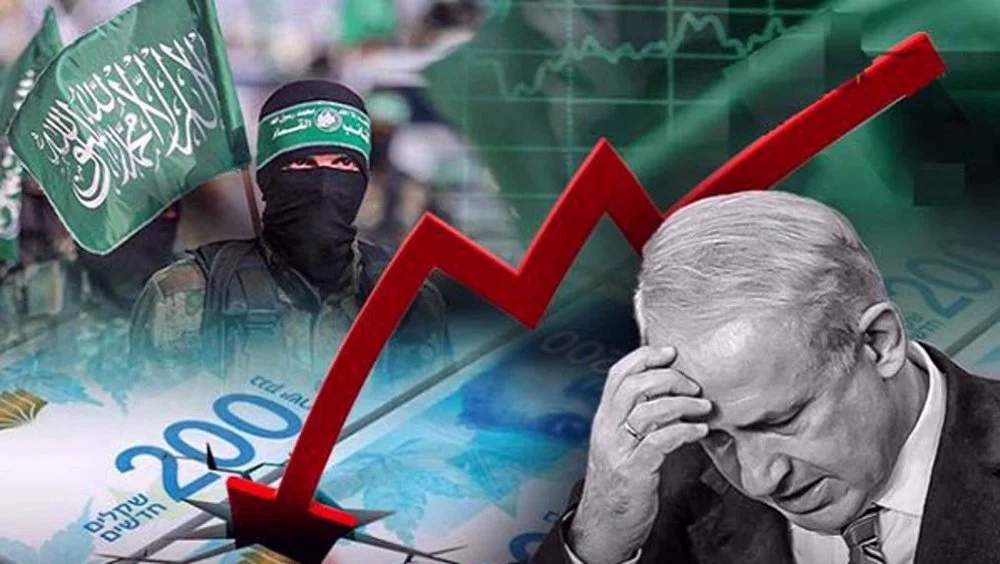

The United States military entered its 10th consecutive night of airstrikes on Iran on July 20, 2026 — marking 142 days of a war that was supposed to be over in a week. Seventeen American service members are dead. More than 400 Iranians have been killed in the latest escalation alone. Two oil tankers exploded in the Strait of Hormuz after Iran warned ships not to use alternate routes. The IRGC declared the strait effectively closed. Oil prices are spiking. And the ceasefire deal that was supposed to end this has collapsed into dust.
This is not containment. This is not deterrence. This is a war of choice — and the bill is coming due in American blood, Iranian civilian lives, and the destabilization of the entire global energy system.
How We Got Here: From "Epic Fury" to Endless War
The war began on February 28, 2026, when the United States and Israel launched joint airstrikes codenamed "Operation Epic Fury" — a decapitation strike that killed Supreme Leader Ayatollah Ali Khamenei, Defense Minister Aziz Nasirzadeh, IRGC commander Mohammad Pakpour, and at least 40 other senior Iranian officials. The strikes were launched amid US-Iran negotiations over Iran's nuclear program, negotiations that were supposedly ongoing when the missiles hit.
As we documented in our analysis of Erasing Palestine: How Trump, Netanyahu, and the Board of Peace Are Completing the Nakba, the Trump administration has pursued a strategy of maximum escalation across the Middle East — and Iran was always the crown jewel. The war justification cycled through pretexts: preventing nuclear weapons, responding to crackdowns on protests, and eventually, the open admission that this was about taking Iran's oil and gas resources.
A two-week ceasefire began April 8, followed by an Islamabad Memorandum signed June 17 that lifted dual blockades. By June 28, both sides agreed to stop exchanging attacks. That deal lasted 10 days. On July 8, the ceasefire collapsed after mutual attacks, and the fighting has escalated every day since.
The Escalation Ladder: A Week That Cratered the Peace Process
The collapse of the ceasefire followed a familiar pattern — one that has characterized the entire war. Here's how the last two weeks unraveled:
| Date | Event | Significance |
|---|---|---|
| July 6-7 | Iran attacks three ships in the Strait of Hormuz | First major shipping attacks since the interim deal |
| July 7 | US launches retaliatory strikes on 60+ IRGC small boats | Targeting escalates beyond static infrastructure |
| July 9 | US revokes Iran oil export waiver | Economic dimension of the war reactivated |
| July 10 | Iran retaliates, strikes Bahrain, Kuwait, Qatar | Regional war expands to three new countries |
| July 11 | Trump restores blockade on Iranian ports | The deal's core provision dies |
| July 13 | Two oil tankers hit in the Strait, one crew member killed | Civilian shipping becomes a battlefield |
| July 15 | US conducts 4th consecutive night of strikes, hits daytime targets | Red lines on civilian infrastructure blurred |
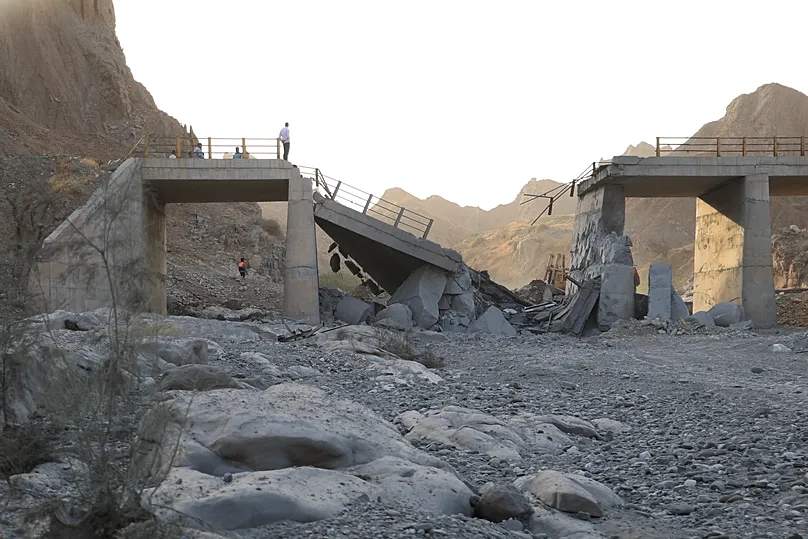
| July 17-18 | US strikes bridges, water plants, power stations in southern Iran | Civilian infrastructure now in the crosshairs |
| July 18 | Iran fires ballistic missiles at US base in Jordan | First deadly attack on US personnel since ceasefire |
| July 19 | Another US service member killed in controlled detonation | US death toll rises to 20 |
| July 20 | US enters 10th consecutive night of strikes | No end in sight |
The pattern is unmistakable. Every US escalation produces an Iranian response, which produces a larger US escalation, which produces a broader Iranian response. Washington calls it "proportionality." The English language has better words for it.
The Casualty Toll: Who's Paying the Price
After 142 days, the human cost of this war is staggering — and the figures below, compiled from Iranian state media, the NGO HRANA, US Central Command, and independent monitoring organizations, almost certainly undercount the dead.
Total Confirmed Casualties (All Parties)
| Country/Area | Killed | Wounded |
|---|---|---|
| Iran | 3,503–3,684 (HRANA: 1,701 civilian) | 26,500–27,000 |
| Lebanon | 4,324 | 12,221 |
| Israel | 70 | 9,240 |
| United States | 20 (incl. 1 contractor) | 583 |
| Iraq | 128 | 387 |
| Oman | 19 | 26 |
| Qatar | 18 | 91 |
| Saudi Arabia | 17 | 23 |
| UAE | 15 | 246 |
| Kuwait | 11 | 187 |
| TOTAL | 8,080+ | 49,241+ |
US Military Losses Since the July Escalation Began
The latest round of fighting has been particularly deadly for American forces. After months of relative quiet under the interim deal, the last week has seen the highest rate of US casualties since the opening days of the war:
- July 18 (Jordan): 2 US soldiers killed, 1 missing, 4 hospitalized after Iranian ballistic missile strike on a base in Jordan
- July 19 (Northern Iraq): 1 US soldier killed during controlled detonation of an Iranian drone — the body of the previously missing soldier was also recovered, confirmed dead
- Total US dead in this war: 20 (17 soldiers, 1 contractor, plus 2 British and others)
Iran's health ministry reported on July 18 that US strikes since hostilities resumed have killed at least 46 people and wounded more than 400. Among those killed: at least three civilians, including residents near the destroyed bridges in Hormozgan province.
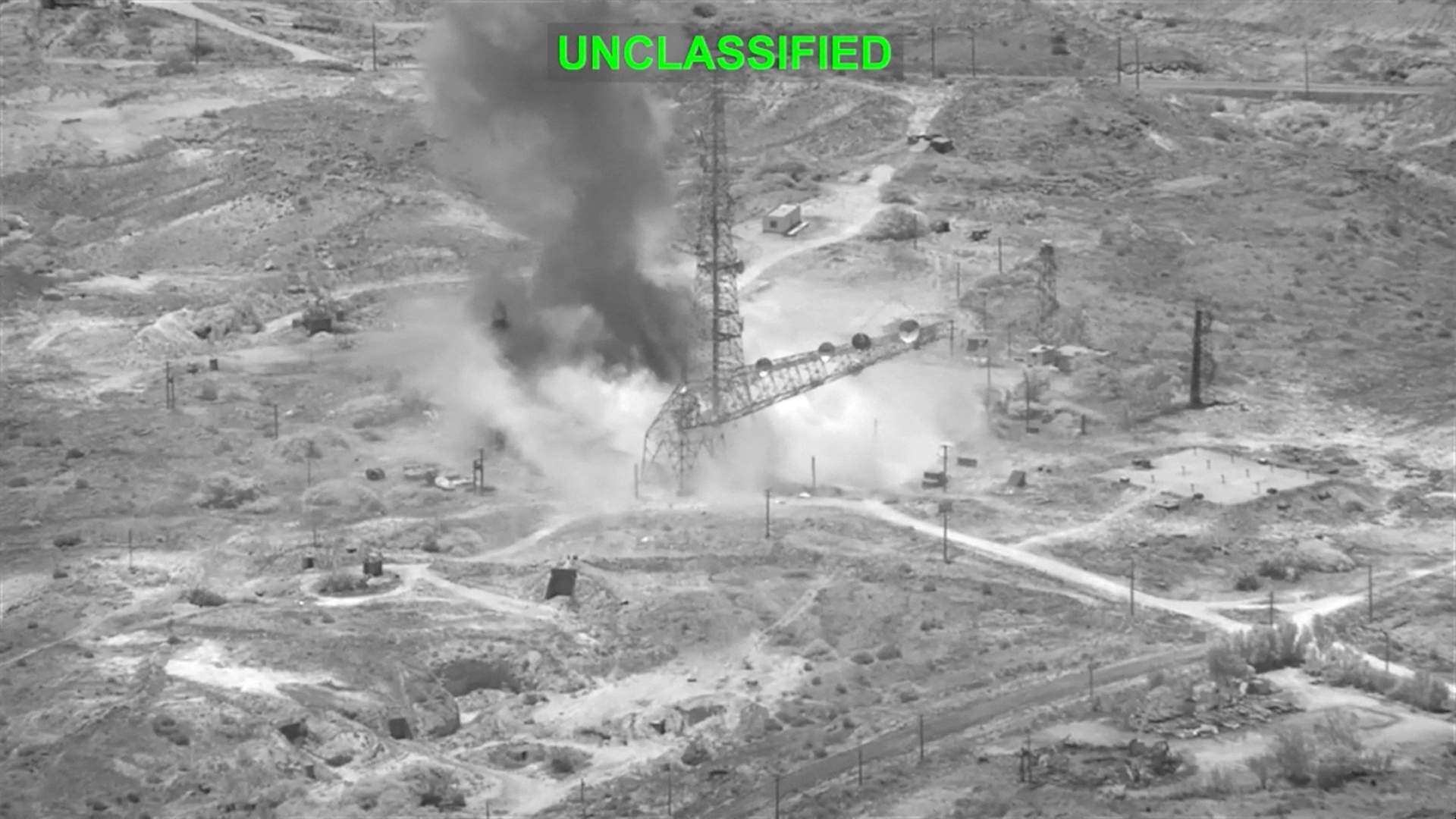
Thick smoke and fire rising from an industrial area after US military airstrikes on Iran on July 16, 2026
The Strait of Hormuz: 20% of the World's Oil, Held Hostage
As we reported in The $2.2 Billion Insider Trading Scandal: How Trump's Circle Profited from War, the economic dimension of this war has been as devastating as the military one. The Strait of Hormuz — a narrow waterway carrying one-fifth of the world's traded oil and significant LNG volumes — has become the central pressure point of the conflict.
Oil Price Trajectory
| Period | Brent Crude | Event |
|---|---|---|
| Pre-war (Feb 27) | ~$70/barrel | Baseline |
| March 2 (war opens) | $80–82 | Initial 10-13% surge |
| March 4 (strait closed) | $120+ | Dubai crude hits record $166 |
| June 17 (deal signed) | ~$70 | Prices return to pre-war levels |
| July 7 (strikes resume) | $83 | 9% single-day jump |
| July 13 (blockade restored) | $79.37 | Markets react to escalation |
| July 17 (bridges, infrastructure hit) | $88.10 | Highest since early June |
The International Energy Agency has characterized the Strait of Hormuz disruption as "the largest supply disruption in the history of the global oil market." The war has echoed the 1970s energy crisis — acute supply shortages, currency volatility, inflation fears, and heightened risks of stagflation and recession.
The Regional Humanitarian Fallout
The economic damage extends far beyond gas prices at the pump. Iran's closure of the strait triggered what the United Nations Development Programme called a systemic collapse of the Gulf Cooperation Council economic model:
- Food crisis: 70% of GCC food imports disrupted; consumer prices spiked 40–120% across the region
- Water crisis: Iran has struck desalination plants in Kuwait — the source of 99% of that country's drinking water
- Aviation shutdown: Emirates, Qatar Airways facing near-total cessation; global air travel disrupted
- European energy shock: Dutch TTF gas benchmarks nearly doubled to over €60/MWh; UK inflation expected to breach 5%; ECB warned of stagflation
- GDP losses: UNDP estimates $120–194 billion in lost economic growth across Arab nations
QatarEnergy was forced to declare force majeure on all LNG exports in March — a move that sent shockwaves through European energy markets already strained by historically low gas storage levels following a brutal winter.
The Expanding War: This Isn't Just the US and Iran Anymore
What began as a US-Israeli operation against Iran has metastasized into a regional conflagration involving at least 15 countries. As we noted in Hezbollah Rejects Israel-Lebanon Talks, Rocketing Northern Israel as Washington Negotiations Collapse, the spread to Lebanon was predictable — and it has been devastating.
Active Combatants and Casualties
| Belligerent | Role | Key Losses |
|---|---|---|
| United States | Primary attacker | 20 killed, 583 wounded |
| Israel | Primary attacker | 40 soldiers + 29 civilians killed, 9,240 injured |
| Saudi Arabia, UAE, Kuwait | Pro-US coalition | Combined: 26 killed, 332 injured |
| Iran | Primary target | 3,500+ killed, 26,500+ wounded |
| Hezbollah | Iran ally, active combat | 1,000+ fighters killed |
| Popular Mobilization Forces (Iraq) | Iran ally | 80 killed, 270 injured |
| Houthis (Yemen) | Iran ally, Red Sea attacks | Active in Bab el-Mandeb |
| Amal Movement (Lebanon) | Iran ally | 6 paramedics killed |
Iran has expanded its retaliatory strikes to hit not just US bases but the countries hosting them — Bahrain, Kuwait, Qatar, and now Jordan. The strike on Jordan that killed two American soldiers was the first deadly attack on US personnel since the ceasefire, and it came with a message: every country that hosts American forces is now a target.
Meanwhile, Israel is occupying southern Lebanon — a development that has drawn virtually no international condemnation despite its flagrant violation of sovereignty. As we wrote in While the World Watches Iran, Israel Tightens the Siege on Gaza and the West Bank, Israel has used the cover of the Iran war to accelerate its operations in Gaza and the West Bank with even less scrutiny than before.
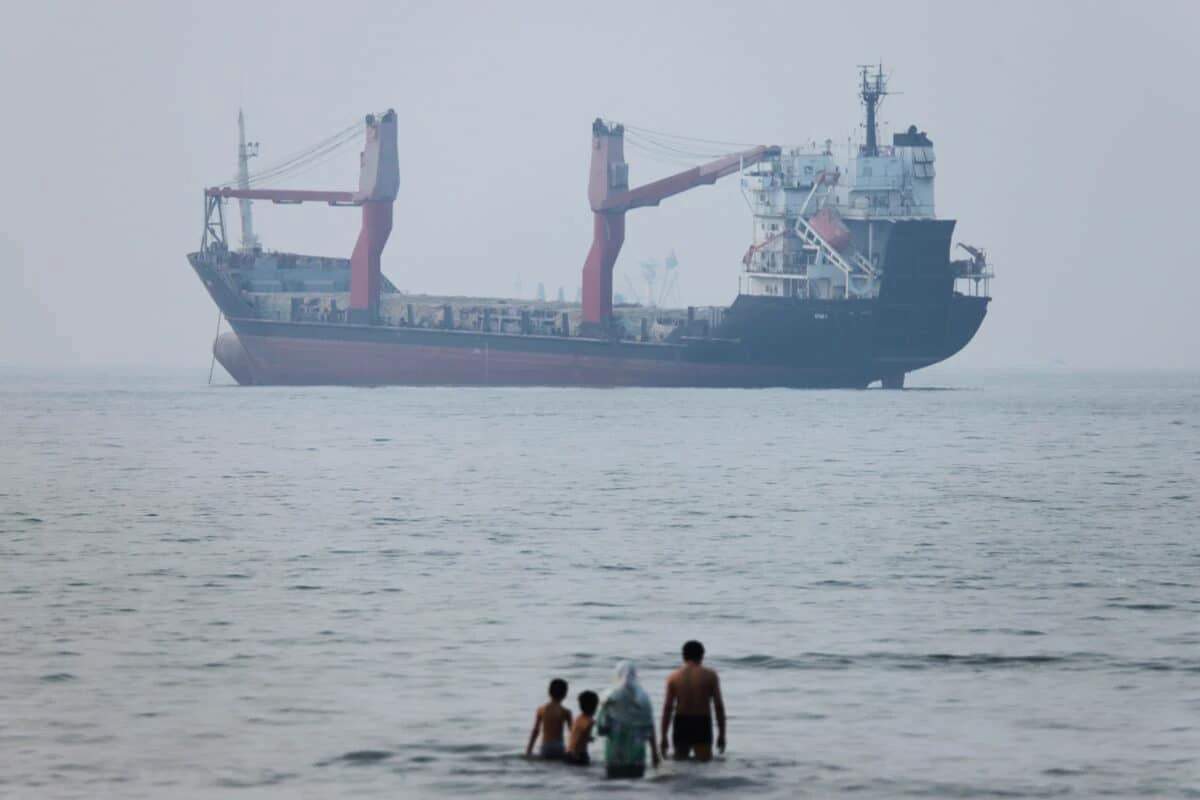
Fire and smoke billowing from an oil tanker hit in the Strait of Hormuz, July 2026
The Infrastructure Bombing: Bridges, Water Plants, and the Slippery Slope
The most alarming development of the past week has been the US expansion of strikes to civilian infrastructure. On July 17-18, American warplanes hit:
- Bridges in Hormozgan province — destroying critical transportation infrastructure
- Power stations in southern Iran — knocking out electricity to civilian areas
- A surveillance tower at one of Iran's main ports
- The Bonji desalination plant west of Jask — leaving approximately 10,000 people across 20 villages without drinking water
Iran has responded in kind, striking a water desalination plant in Kuwait. The mutual targeting of water infrastructure is a red line that international humanitarian law draws in blood — and both sides have now crossed it.
This mirrors the pattern we've seen from Israel in Gaza, where 900 Palestinians have been killed since the so-called "ceasefire" as Israel bombs civilian infrastructure with impunity. The US appears to be adopting the same playbook in Iran: destroy the infrastructure of daily life, then call it "military necessity."
Trump has repeatedly threatened to target civilian infrastructure in Iran. Earlier in the war, he vowed to "annihilate Iran's whole civilization." Until now, he has repeatedly backed off those threats — citing diplomatic progress. But with the deal collapsed and the strikes expanding, Iranian leaders believe another red line has been crossed.
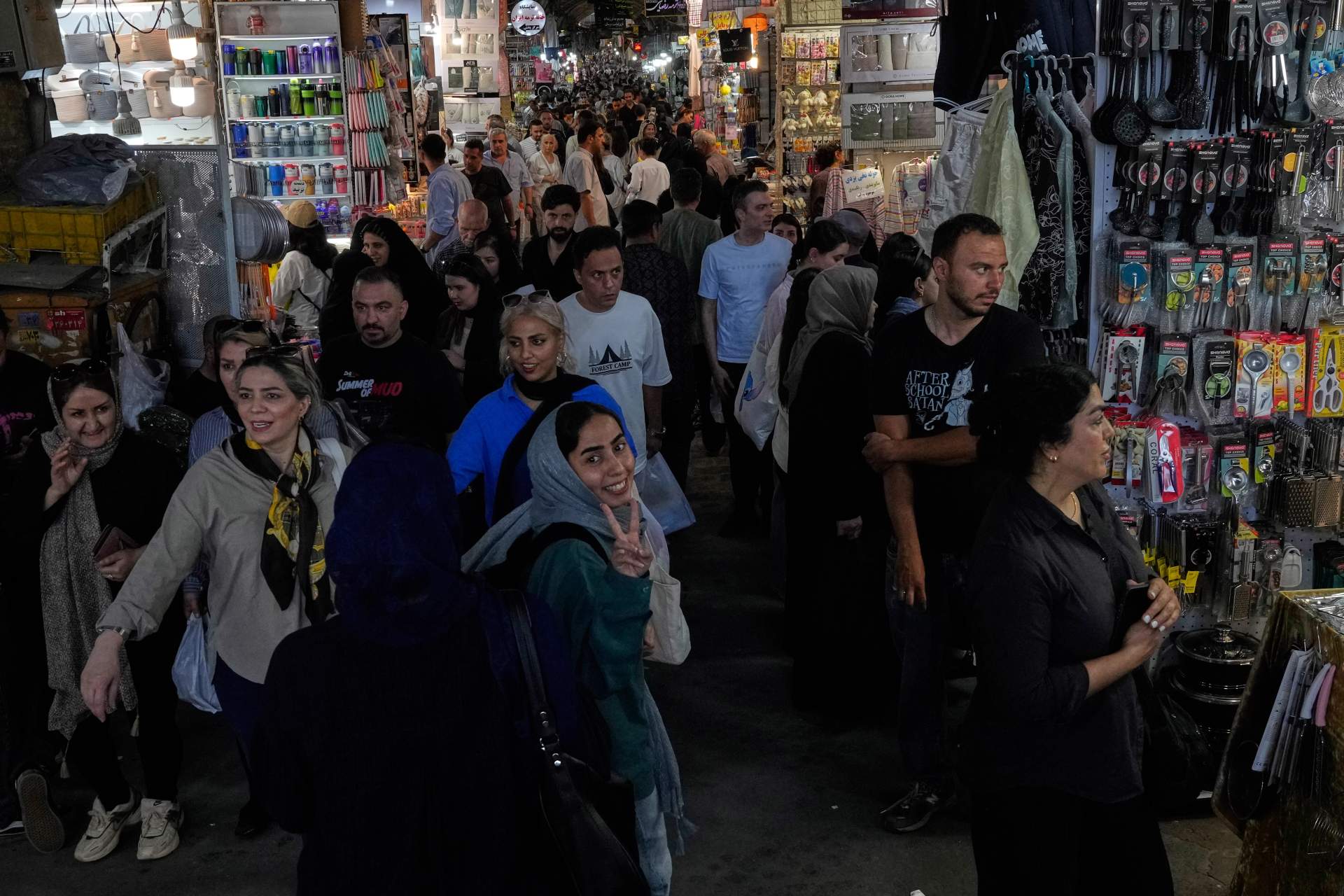
An Iranian woman walking through a traditional bazaar in Tehran flashing a victory sign during wartime, July 16, 2026
What's Next: The Forever War Playbook
There is no off-ramp visible. Consider the options currently on the table:
- Negotiations: The Islamabad Memorandum is dead. Qatar's mediation efforts produced a two-week lull followed by worse violence. No new talks are scheduled.
- Escalation dominance: The US theory of war — that overwhelming force will compel Iran to capitulate — has failed for 142 days. Iran's decentralized "mosaic defence strategy" means there is no surrender point to target.
- Ground invasion: Trump has mused about seizing Iranian islands to control the Strait of Hormuz by force. That would require "a far larger naval presence and potentially tens of thousands of ground troops," per NPR. The Iraq War required 150,000 troops for a country of 26 million. Iran has 88 million people, mountainous terrain, and a deeply nationalistic population that just buried its supreme leader.
- Blockade: The US has restored its naval blockade of Iranian ports. Iran controls the Strait of Hormuz. Both are trying to strangle the other economically. The result is a global energy crisis.
The US war in Iraq lasted 8 years. The war in Afghanistan lasted 20. The war on terror, broadly, has consumed 23 years and trillions of dollars. The Iran war, at 142 days, is already the most destructive US military action since Vietnam — and it is accelerating, not winding down.
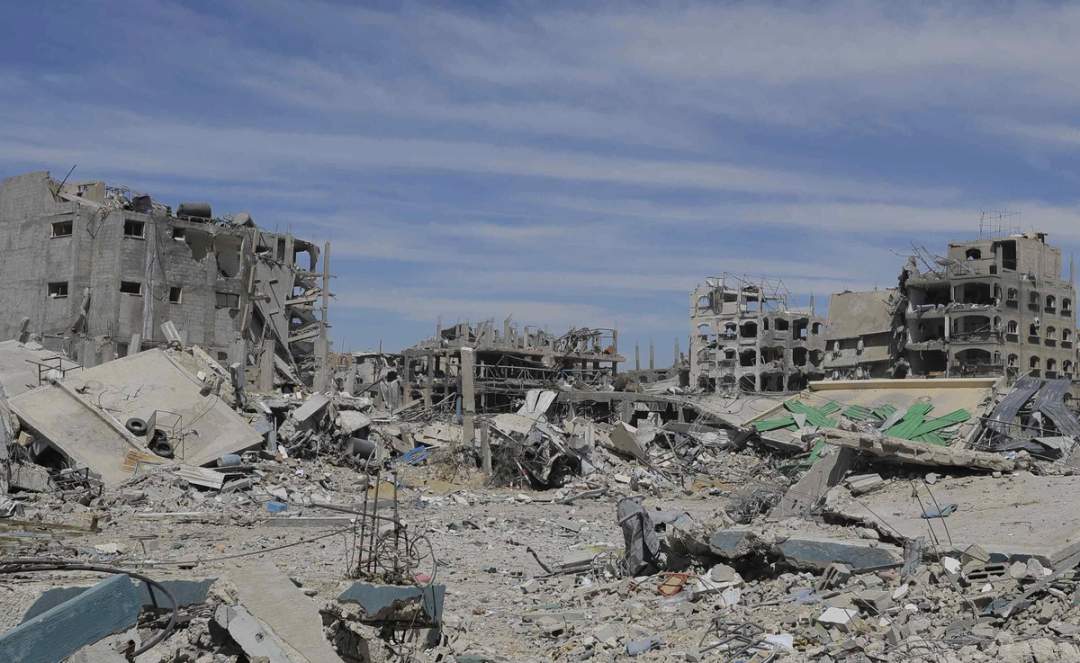
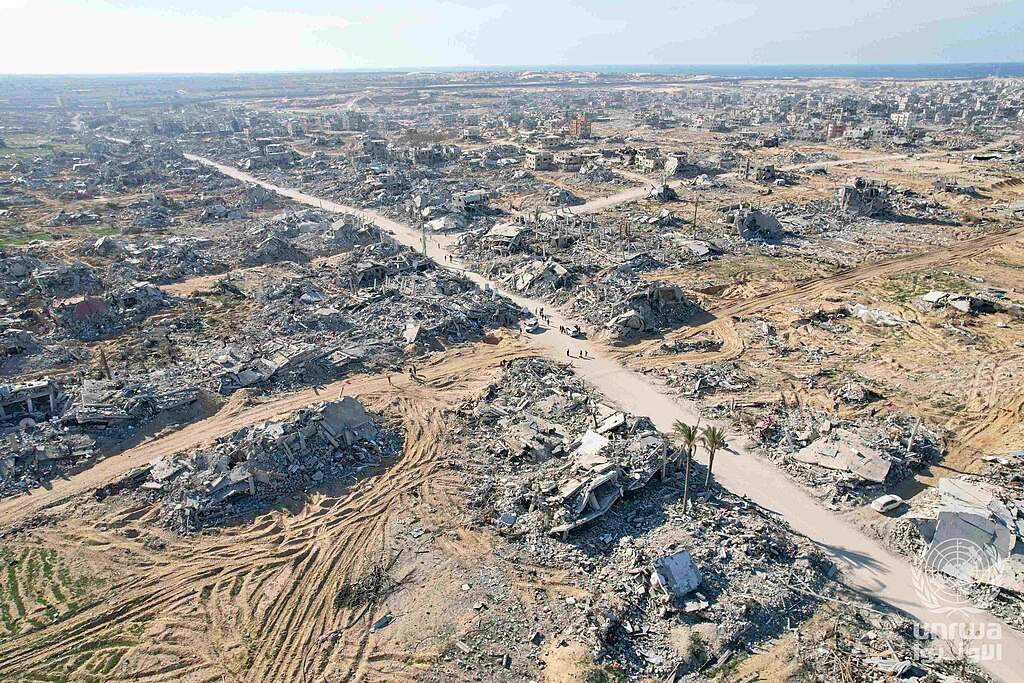
This is the imperialism playbook in its purest form: a resource war disguised as a security operation, sold with the language of peace while delivered with the machinery of annihilation. The cost is counted in bodies, in destroyed bridges, in water treatment plants reduced to rubble, in oil tankers burning in the strait, and in the 20 American families who have received flag-draped coffins for a war that was supposed to last days.
Day 142. The bombs are still falling. And nobody in Washington has a plan to make them stop.
Sources & Methodology(13 sources)
- NPR — The U.S. and Iran Blow Past Red LinesNews Article
Comprehensive timeline and casualty data for the 2026 Iran war, including the April 8 ceasefire and June 7 escalation.
- Al Jazeera — Oil Hits 1-Month HighNews Article
- CNN — US Begins Ninth Night of StrikesNews Article
- GlobalSecurity.org — Iran War Day 142 UpdateNews Article
Methodology
Casualty figures compiled from Iranian state media (IRNA), the NGO Human Rights Activists in Iran (HRANA), US Central Command, Hengaw Organization for Human Rights, and Lebanese Health Ministry. Oil price data sourced from CNBC, Al Jazeera, and the New York Times. Economic impact data from the UN Development Programme, International Energy Agency, and the European Central Bank. Timeline reconstructed from NPR, AP News, CNN, PBS, Euronews, and Britannica. All sources are cited in the article body.
Filed Under
Frequently Asked Questions
- When did the US-Iran war start?
- The war began on February 28, 2026, when the US and Israel launched joint airstrikes codenamed 'Operation Epic Fury' that killed Supreme Leader Ayatollah Ali Khamenei and at least 40 other Iranian officials.
- How many Americans have died in the Iran war?
- As of July 20, 2026, 20 American service members have been killed (17 soldiers and 1 contractor, plus additional coalition casualties), with 583 wounded.
- What is happening in the Strait of Hormuz?
- Iran has effectively closed the Strait of Hormuz, which carries 20% of the world's traded oil. Two oil tankers have been hit and exploded, and shipping has nearly ground to a halt, causing Brent crude prices to spike to $88/barrel.
- Was there a ceasefire deal?
- Yes. A preliminary deal was signed June 17, and attacks stopped June 28. But the deal collapsed on July 8 after mutual attacks, and fighting has escalated every day since. The US has now entered its 10th consecutive night of strikes.
- How many total casualties are there across all countries?
- At least 8,080 people have been killed and 49,241 wounded across all parties — including Iran, Lebanon, Israel, the US, Iraq, and Gulf states.