
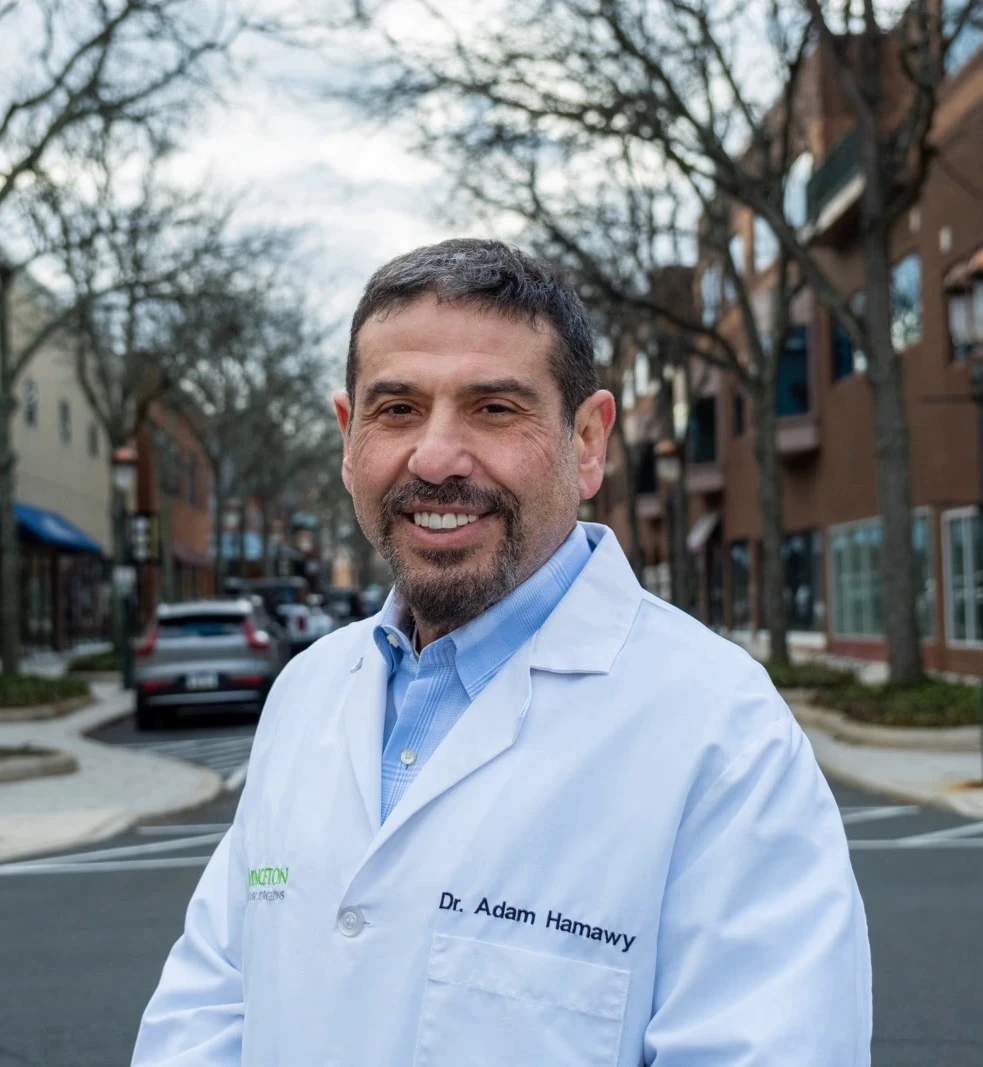
On Tuesday, June 3, Dr. Adam Hamawy — a retired U.S. Army combat surgeon who volunteered in Gaza during Israel's genocidal assault — won the Democratic primary in New Jersey's 12th Congressional District. He beat a crowded field. He carried the endorsements of Senator Bernie Sanders, Senator Tammy Duckworth, and Congressmember Alexandria Ocasio-Cortez. He is now the heavy favorite to win the November general election in a Democratic stronghold.
If elected, Hamawy would become the only member of Congress with firsthand experience of Israel's war on Gaza — a war that has killed more than 70,000 Palestinians, displaced millions, and been enabled by the very body he seeks to join.
His victory is not just a political story. It is a story about what happens when someone who has seen genocide up close refuses to go back to life as usual.
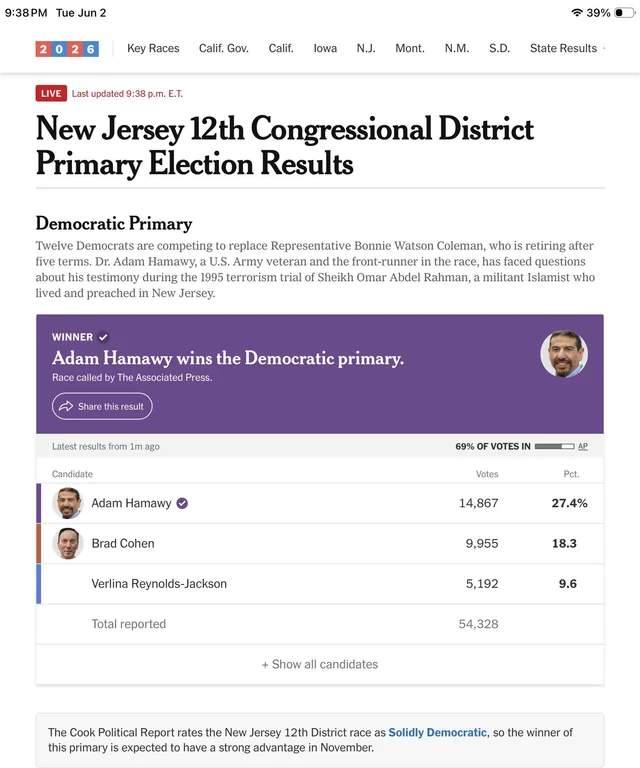
Election results showing Dr. Adam Hamawy, as the winner of the Democratic primary for Congress
From Gaza to the Ballot Box
Hamawy is no stranger to conflict zones. Over three decades, he has served on medical missions in Bosnia, Sudan, Haiti, Lebanon, and Syria. He is a plastic surgeon by training, an Army veteran who served in Iraq — where, in 2004, his medical team treated Senator Tammy Duckworth after her Black Hawk helicopter was shot down. Duckworth credits Hamawy with helping save her life. Both her legs were blown off.
But nothing prepared him for Gaza. In 2024 and 2025, Hamawy volunteered at hospitals inside the besieged Palestinian enclave, treating the victims of Israeli bombardment under conditions he has described as unlike anything he experienced in any other war zone.
"Most of my patients are children," Hamawy told Democracy Now! from Gaza in 2024. "My average patient is about 12 or 13 years old. They range from — the youngest one I've taken care of is about 4."
He described operating on children who had lost arms, who had lost their entire families, who came to the hospital with wounds that no child should ever carry. He described not sleeping because of constant bombing, drones overhead 24 hours a day, the complete loss of personal safety.
And then he described what happened when he came home.
"I went to Washington to talk to our lawmakers and our representatives as a witness," Hamawy recounted in an April interview with Al Jazeera. "This is happening there. This is real. This isn't fake news. I've experienced it, and this is what I saw with my own eyes."
The response was mixed. A handful of lawmakers cited his testimony in speaking out against the war. Others expressed private condemnation but took no public action. Some refused to meet with him at all.
"This is what prompted me to run," Hamawy said. "We need more elected officials that are brave, more that will actually act upon what we know is wrong."
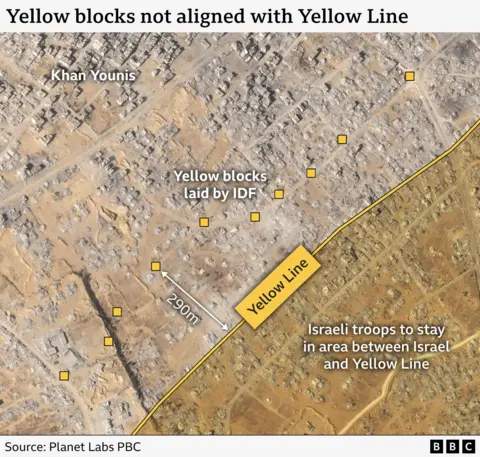
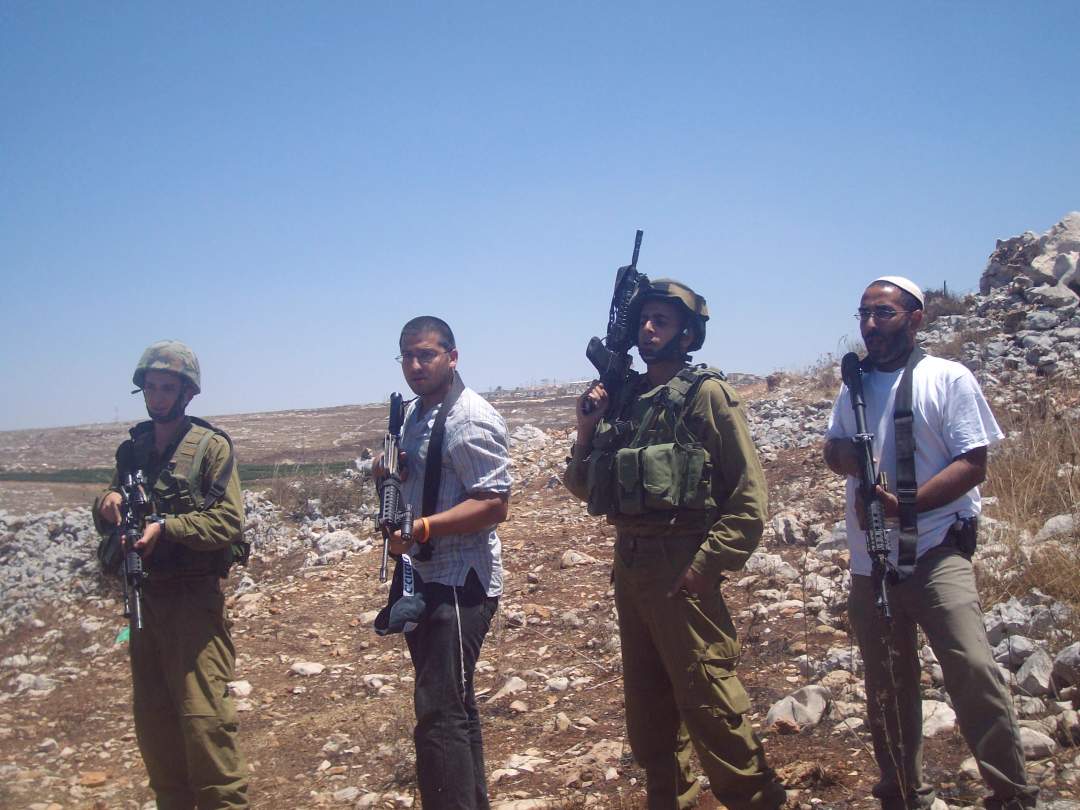
For more on the reality of Israel's assault on Gaza, see our reporting on Israel's expanding "Yellow Line" and de facto reoccupation, the bombing of a tent camp that wiped out a family, and the paramilitary settler violence driving ethnic cleansing.
The Platform: Healthcare Not Bombs
Hamawy's campaign was built on a direct and uncompromising platform: healthcare, not bombs. Medicare for All. Cancel medical and student loan debt. End arms sales to Israel and any country that commits gross human rights violations. Impose sanctions and an arms embargo on Israel. Abolish ICE. End apartheid.
He has been explicit about the financial connection: money spent on war — the U.S. spends roughly a trillion dollars annually on the Department of Defense — could fund universal healthcare, tuition-free public college, housing, and infrastructure. The resources exist. The political will does not.
"We're always told that we can't afford all these things," Hamawy said during his victory speech. "But we always could afford more bombs and more money for war."
This framing — connecting the cost of war to the cost of domestic neglect — resonated in a district where residents struggle with healthcare costs, housing affordability, and economic insecurity while watching Congress approve billions in military aid to Israel.
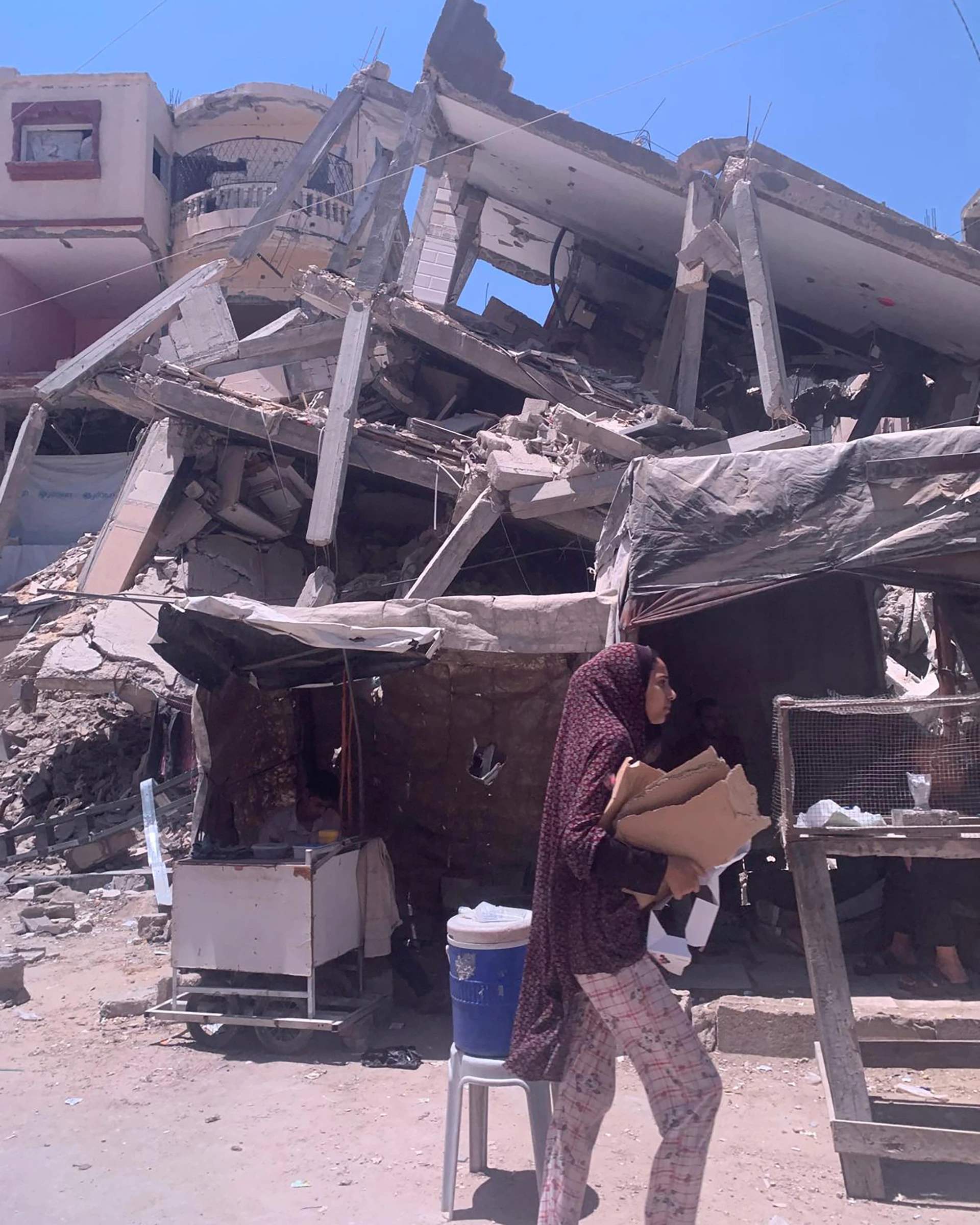
Medical volunteers in Gaza standing near destroyed buildings and rubble providing care to patients
The Smear Campaign and the Final Stretch
Hamawy's win was not smooth. In the final days of the primary, the New York Times published a story examining Hamawy's past ties to Omar Abdel-Rahman, a New Jersey Muslim leader convicted in 1995 of inspiring attacks on the United States. The timing — days before the election — raised immediate questions about the role of establishment media in targeting anti-war candidates.
Hamawy has never been accused of criminal wrongdoing. He acknowledged knowing Abdel-Rahman through New Jersey's Egyptian American community and emphasized that he opposes all forms of violence. The connection, tenuous as it was, became the centerpiece of a last-minute attempt to define Hamawy as an extremist.
In his victory speech, Hamawy addressed the attacks directly: "Let me be absolutely clear with you all and everyone watching today: There was once a time when this may have worked, where racist and anti-Muslim attacks could swing an election. That era of American politics is over."
The voters agreed. Hamawy won decisively.
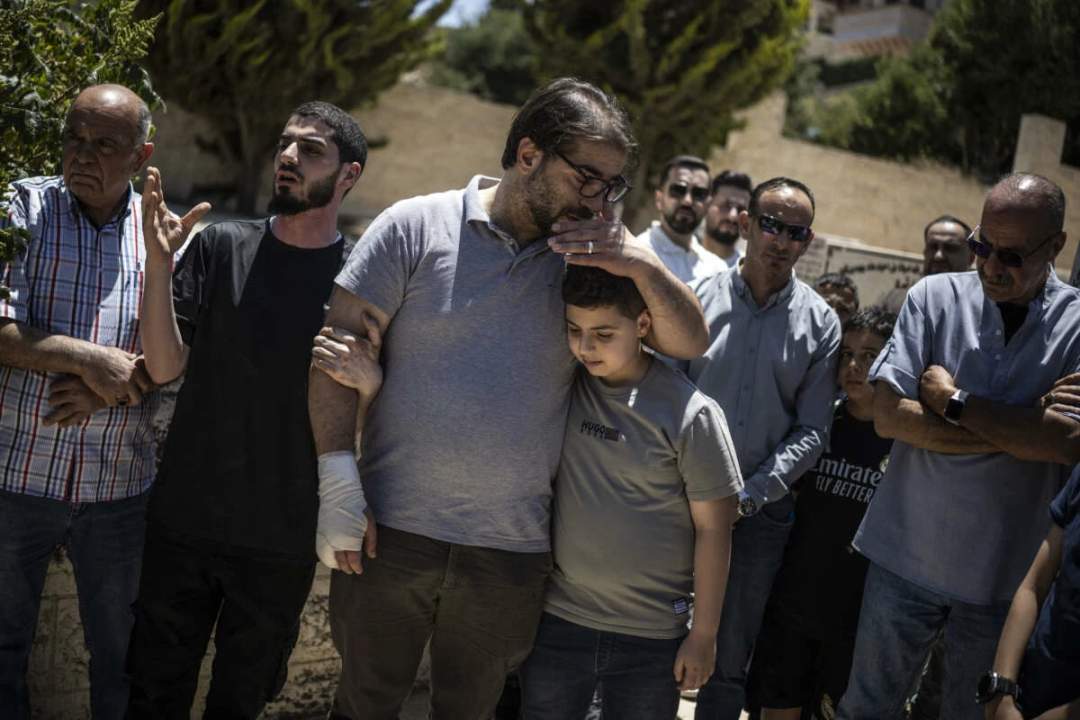
For more on how media and political establishments target dissent, see our coverage of the murder of Sam Abu Haikal and the UN's recognition of settler violence as ethnic cleansing.
What This Means
Hamawy's primary win is significant for several reasons. First, it demonstrates that advocating for Palestinian rights — including calling Israel's actions genocide and demanding an end to U.S. military aid — is not electoral poison, even in a Democratic primary. The endorsements of Sanders and Ocasio-Cortez signaled a progressive coalition willing to back anti-war candidates. The voters confirmed it.
Second, it exposes the Democratic Party establishment's continued reluctance to confront its own complicity. Hamawy said the party leadership has become "disassociated with what the people want" and warned that if the Democratic Party does not start listening, "they're going to continue to lose elections." The Democratic National Committee's post-election autopsy, which initially tried to suppress findings and made no mention of Gaza or Israel despite the issue's prominence at the 2024 convention, illustrates the disconnect.
Third, if Hamawy wins in November, he would enter Congress as the only member with firsthand experience of Gaza's destruction — a perspective that the institution has systematically excluded. As Al Jazeera noted, no sitting member of Congress is known to have visited Gaza in recent years. The last known visit by a sitting member was Keith Ellison in 2013. Israel's blockade has prevented virtually all independent access since.
Congress approves the billions in military aid that enables Israel's war. It has the authority to block arms transfers. And yet it has almost no direct knowledge of what that money buys. Hamawy would bring something the chamber lacks: a witness.
The Larger Current
Hamawy's victory is part of a current that has been building since October 7, 2023 — and arguably for decades before that. The movement for Palestinian liberation in the United States has produced electoral wins, campus occupations, street protests, and cultural shifts that were unthinkable five years ago.
Hamawy's win adds a new dimension: someone who was physically inside Gaza, who operated on the children, who lived under the bombardment, who tried to tell Congress what he saw and was turned away — that person is now on his way to Capitol Hill.
"There is no such thing as 'progressive except for Palestine,'" Hamawy declared on election night. "I will fight for healthcare, not bombs."
The question now is whether the Democratic Party machine — and the AIPAC-funded apparatus that has targeted anti-war candidates across the country — will allow him to do it. The voters of New Jersey's 12th district have spoken. The general election in November will test whether their voice survives the machine.
But Hamawy's message to the political establishment was clear. He went to Gaza as a doctor. He came back as a witness. He went to Washington as an advocate. He was turned away. Now he's going to Congress, and this time, they have to listen.
Sources & Methodology(7 sources)
- Democracy Now! — Adam Hamawy Wins NJ House PrimaryVideo / Audio
Methodology
Reported using election results from the New Jersey Division of Elections, campaign coverage from Al Jazeera, The Intercept, Democracy Now!, The Guardian, CNN, and the New York Times. Direct quotes from Hamawy's victory speech and prior interviews on Democracy Now! and Al Jazeera. All claims cross-referenced across multiple independent outlets.
Filed Under
Frequently Asked Questions
- Who is Dr. Adam Hamawy?
- Dr. Adam Hamawy is a retired U.S. Army combat surgeon, plastic surgeon, and former volunteer doctor in Gaza. He saved Senator Tammy Duckworth's life after her helicopter was shot down in Iraq in 2004. He volunteered in Gaza in 2024-2025, treating Palestinian victims of Israeli bombardment.
- What district did Hamawy win and what are his chances in November?
- Hamawy won the Democratic primary in New Jersey's 12th Congressional District, a Democratic stronghold being vacated by retiring Rep. Bonnie Watson Coleman. He faces Republican Gregg Mele in November and is the heavy favorite.
- What is Hamawy's platform?
- Medicare for All, cancel medical and student loan debt, end all arms sales to Israel, impose sanctions and arms embargo on Israel, abolish ICE, end apartheid, and redirect military spending to domestic needs. His slogan: healthcare, not bombs.
- Was there a smear campaign against Hamawy?
- In the final days of the primary, the New York Times published a story examining Hamawy's past ties to Omar Abdel-Rahman. Hamawy was never accused of criminal wrongdoing. He addressed it in his victory speech: 'That era of American politics is over.'