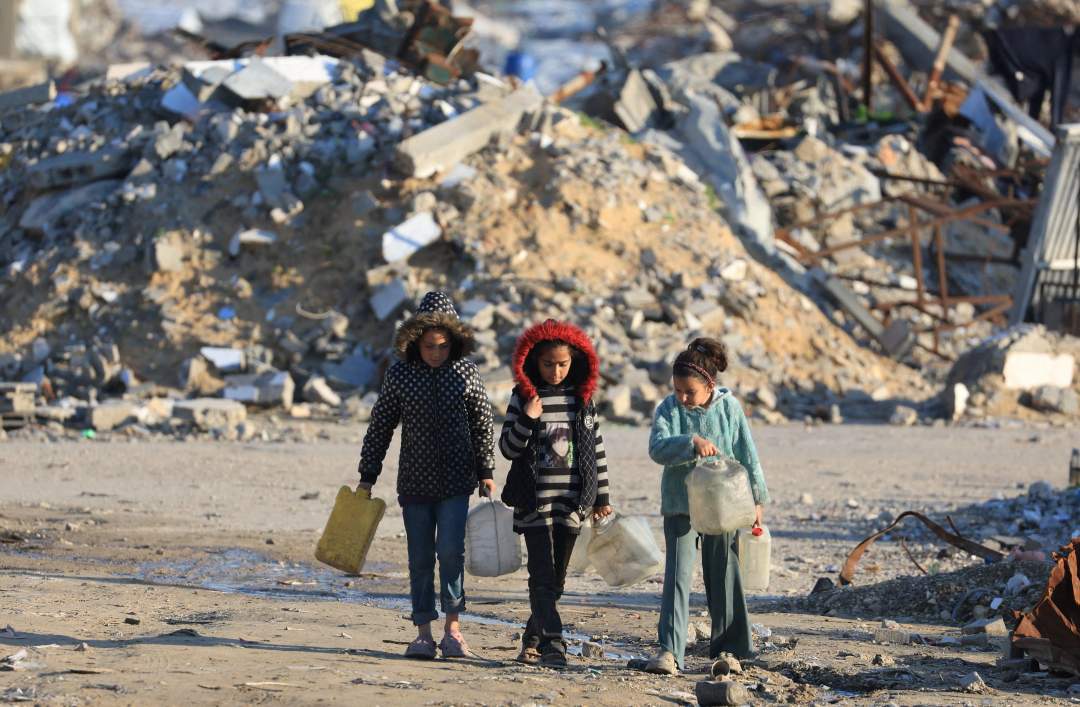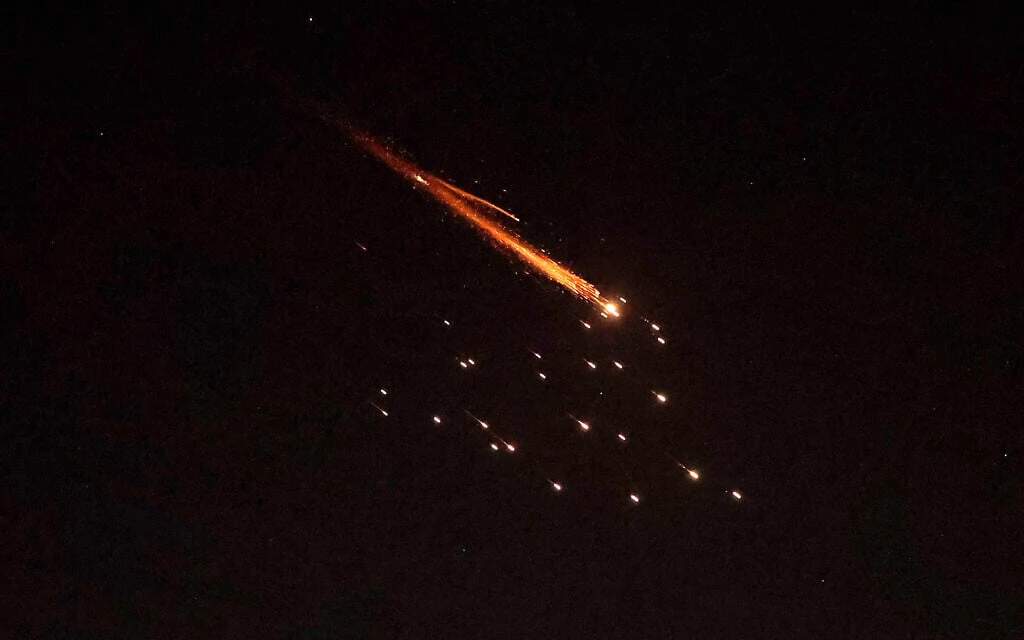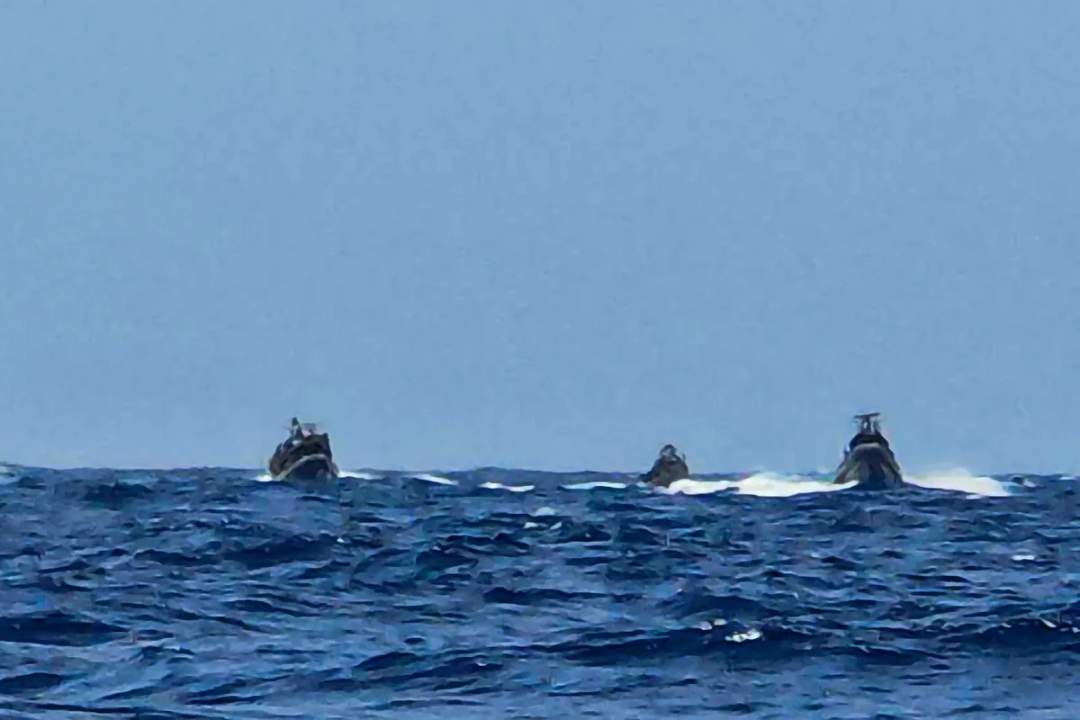

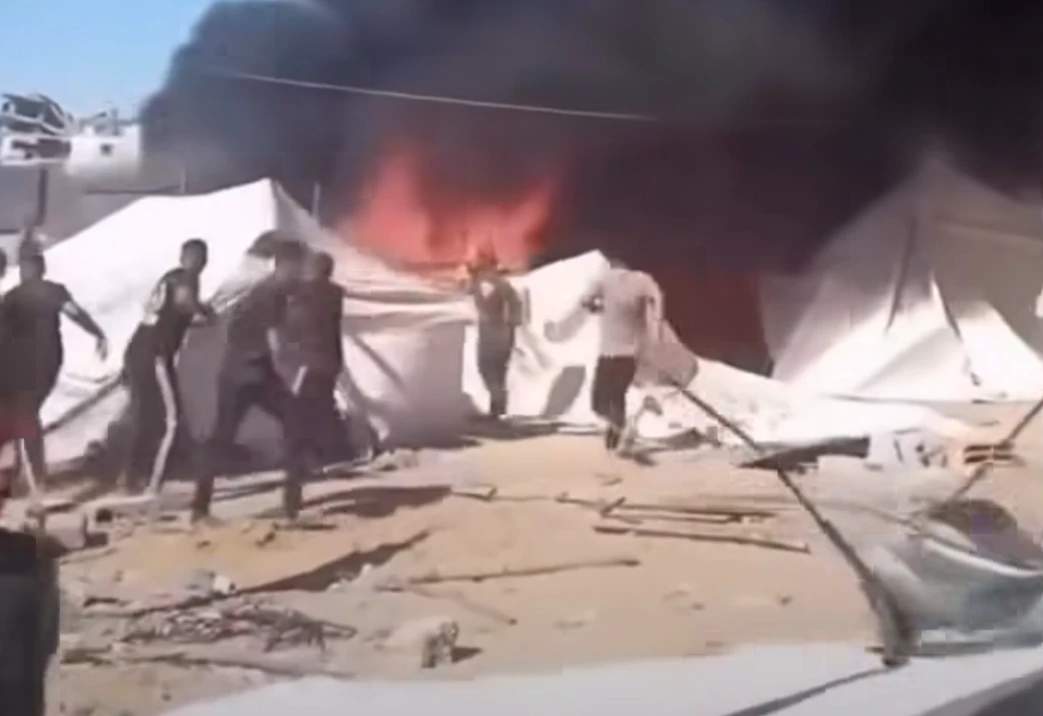
They were sleeping in a tent because Israel destroyed their home. They were fishing because there is nothing left to do. They were children in an apartment because the world agreed to stop the bombs and the bombs never stopped.
In a single week — a week the world called a "ceasefire" — Israel killed at least 17 Palestinians across Gaza City and its coastline. Two attacks wiped out an entire family under the stars of a tent camp. A warship gunned down a 15-year-old boy whose only crime was trying to feed his family. And the international community? Silent. Complicit. Worthless.
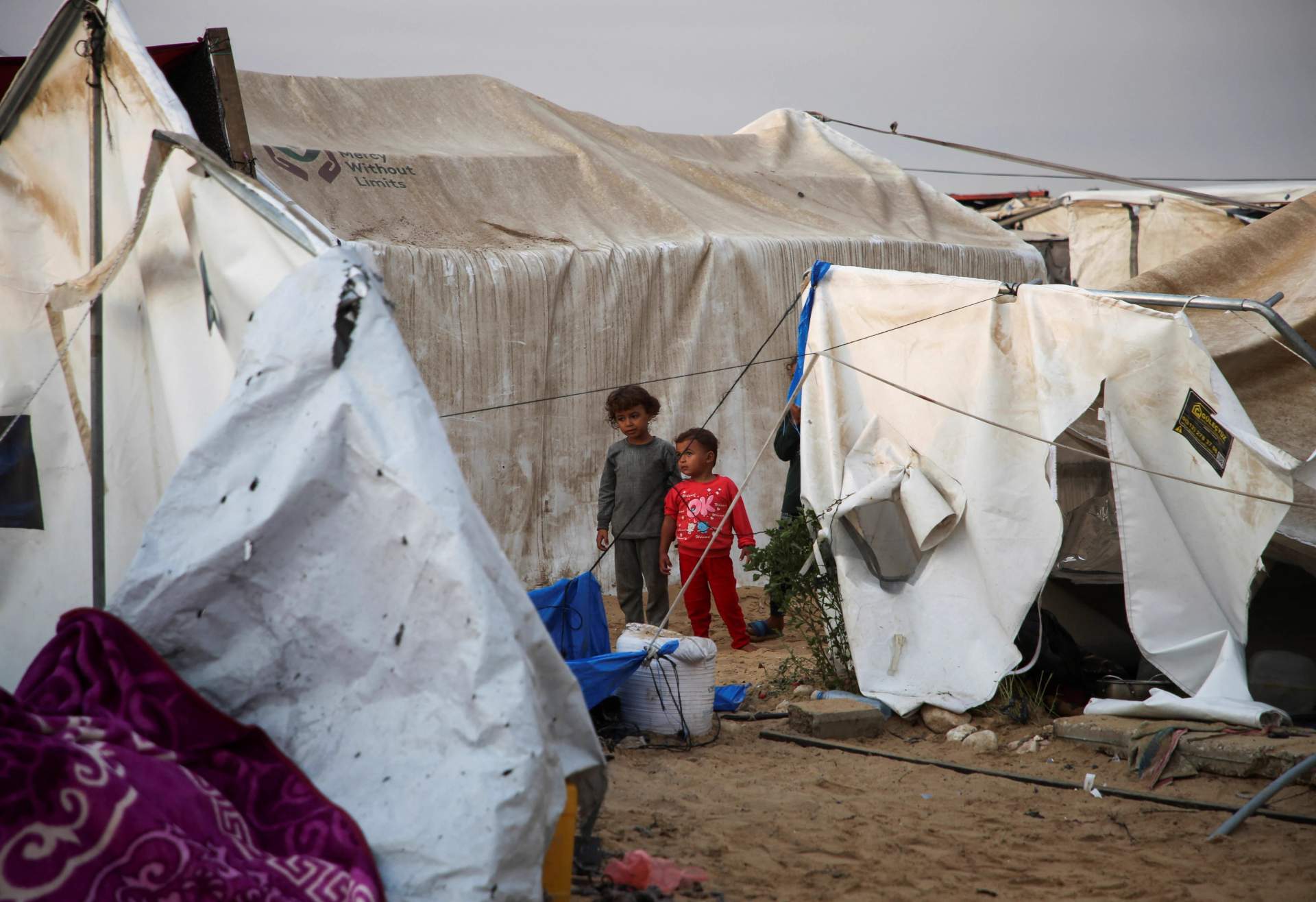
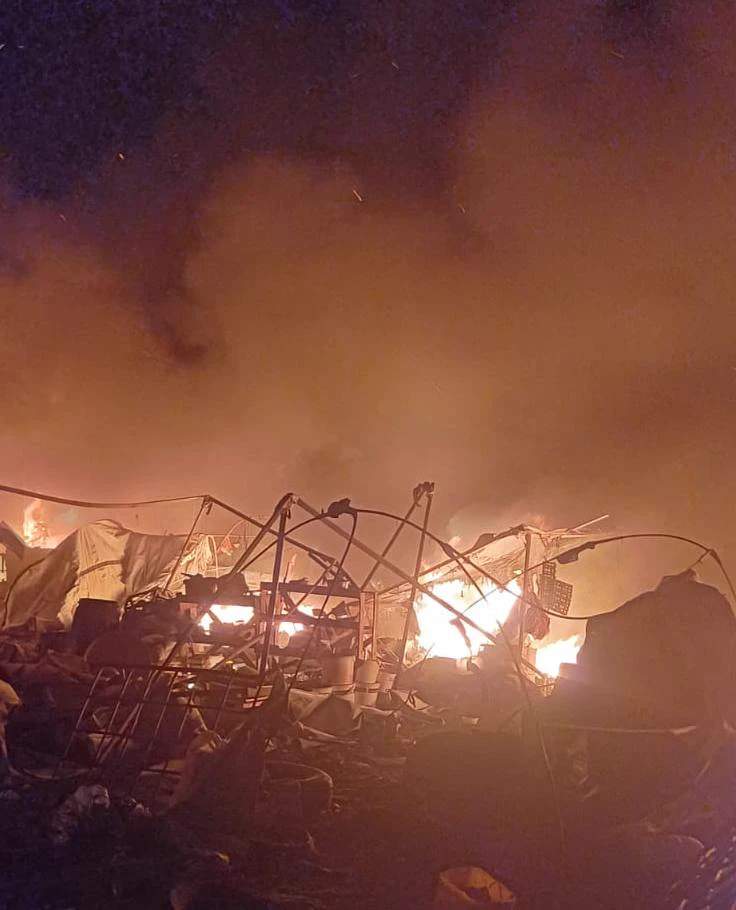
Destroyed tent camp with mangled canvas shelters, debris, and personal belongings scattered on sandy ground after an Israeli airstrike on displaced Palestinians in Gaza
A Drone Strike on a Tent Camp: Eight Dead, Including a Six-Year-Old
On the evening of June 6, an Israeli drone fired on a tent sheltering displaced Palestinian families near the Al-Rimal Boys' Preparatory School in western Gaza City. The Qaddoum family had already lost their home — like nearly two million Palestinians in Gaza, they had been driven from everything they knew and forced into flimsy canvas shelters they were told would be safe.
They were not safe. Israel has never let them be safe.
The strike killed eight civilians. Among the dead was Mariam Abdullah Qaddoum, six years old. Her body was pulled from the wreckage of a tent — a tent, the most basic shelter a human being can find. Israel's military-industrial machine, funded by American taxpayers and defended by Western governments, tracked a displaced family in a tent and dropped a bomb on them. Six others died alongside Mariam, including two women. At least 15 more were wounded, most of them children.
The attack hit near Gaza City's passport office, a location where displaced families had gathered hoping to leave — to escape the genocide that has now killed over 72,900 Palestinians. Gaza's Civil Defence recovered the bodies as night fell. The Israeli military, as is its ritual, offered no explanation.
This is not collateral damage. This is extermination with a flight pattern.
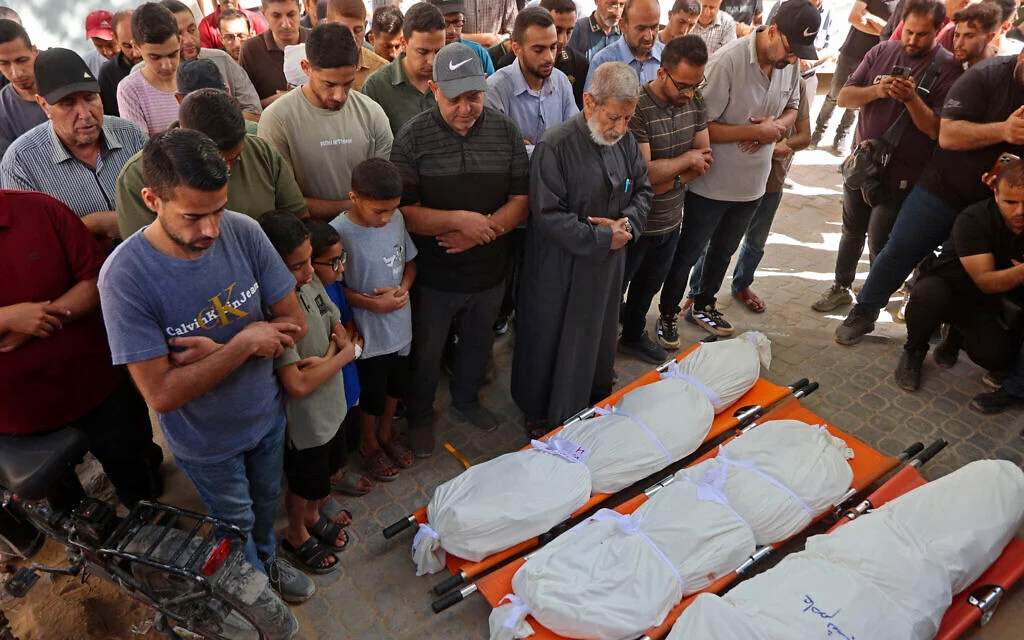
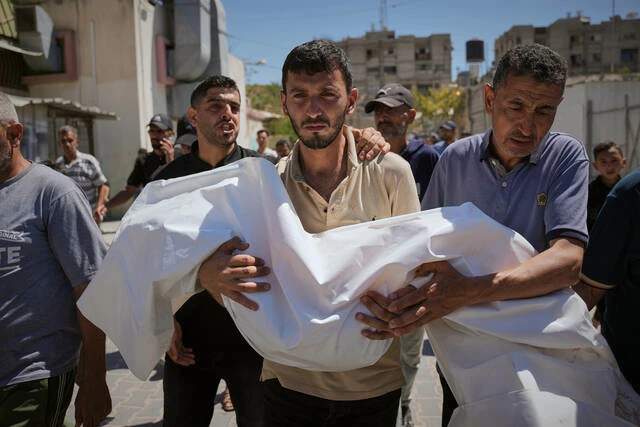
Palestinians gather around shrouded bodies of civilians in a mosque courtyard in Gaza City, mourning after Israeli airstrikes killed nine people across four residential apartments
Four Apartments, One Night, One Family Erased
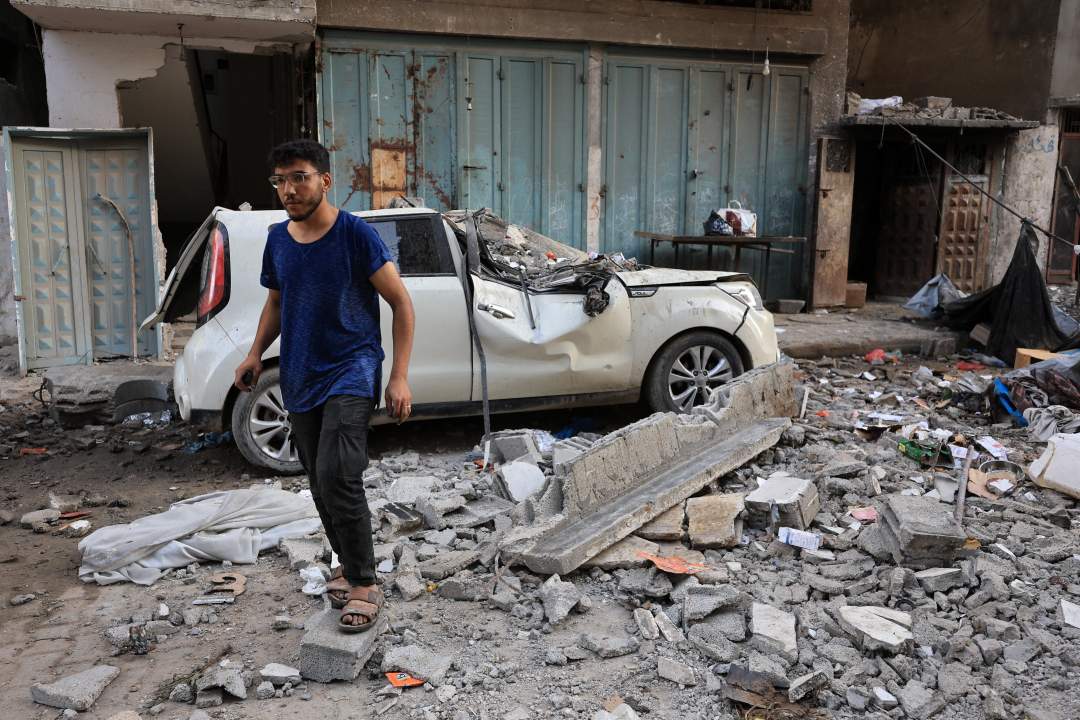
Two days earlier, on June 4, Israel launched simultaneous airstrikes on four residential apartments across Gaza City — hitting Sheikh Radwan, the Al-Shati refugee camp, and Tel al-Hawa all at the same time. Nine Palestinians were killed. Fifteen more were wounded, some critically.
The Attaya family home in the Abu Al-Amin area of Gaza City's Al-Jalaa neighborhood was reduced to charred remains. Rescuers pulled bodies burned beyond recognition from the rubble. In a separate strike on an apartment in northern Gaza City, five members of a single family were erased — a father, a mother, and their three children. Only one survived: a nine-year-old girl who watched her entire family die in the blast that destroyed her home.
Witnesses described residential towers engulfed in flames. Families — children, women, the elderly — were trapped inside burning apartments as rescue crews, themselves under fire, fought to reach them. A husband and wife were killed in one of the strikes. At least four children were among the dead.
Israel's military told Israeli media the strikes had killed "senior commanders" of Hamas's internal security apparatus. They offered no proof. They never do. A nine-year-old girl, orphaned in an instant, is the proof they will never acknowledge.
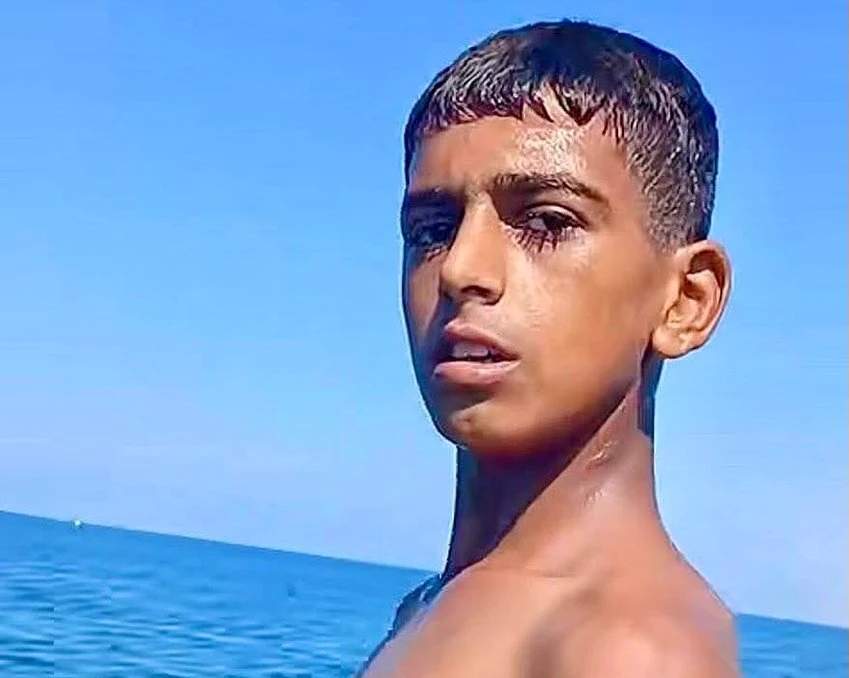
Young Palestinian fisherman Muhammad Musa Abu Giab, on the beach of Deir al-Balah in central Gaza.
A Boy at Sea: Muhammad Abu Giab, 15, Murdered by Israeli Naval Fire
On June 7, Israeli warships opened fire with machine guns on Palestinian fishing boats off the coast of Deir al-Balah in central Gaza. Muhammad Musa Abu Giab, 15 years old, was shot dead.
Muhammad was a fisherman. In Gaza, that word carries a weight it does not anywhere else. Fishing in Gaza means navigating waters controlled by a navy that has blockaded the coast for nearly two decades — a navy that has killed and detained fishermen as a matter of routine, as a matter of policy, as a matter of Israeli state terror. Muhammad went to sea because his family needed to eat. Israel killed him for it.
His body arrived at Al-Aqsa Martyrs Hospital. The same warships also fired machine guns and shells toward the Gaza City coast. The day before, two fishermen were killed off Deir al-Balah and four more detained. Israel's maritime blockade, enforced with live ammunition against children, is one of the quiet mechanisms of the genocide — the slow strangulation of a population by sea.
The Ceasefire That Never Was
Israel signed a ceasefire agreement on October 10, 2025. Since then, over 950 Palestinians have been killed and nearly 3,000 wounded in near-daily Israeli attacks. May 2026 was the deadliest month of the year, with 119 Palestinians killed, including 19 children, according to the Palestinian Center for Human Rights.
There is no ceasefire. There never was. What exists is a pause between massacres — a killing rhythm that Israel sets and the world tolerates. The bombs fall on tents. The warships gun down boys at sea. The apartments burn. And the governments that signed the deal, that armed Israel, that voted for the resolution, look away.
Gaza Health Ministry figures now put the total Palestinian death toll at 72,961 killed and 173,092 injured since October 2023. Each number is a name. Each name is a world destroyed. Each world was destroyed with weapons made in America, approved in Washington, defended in Brussels, and ignored by a media apparatus that calls this "conflict" instead of what it is: genocide.
Israel is not defending itself. It is not fighting Hamas. It is exterminating a people — methodically, systematically, and with the full backing of the Western world. And until that backing is cut, until the arms stop flowing, until the diplomatic cover is stripped away, the Qaddoum family, the Attaya family, Muhammad Abu Giab, and every Palestinian they represent will continue to die — in tents, in apartments, at sea — while the world calls it peace.
It is not peace. It is annihilation. And we will not stop saying so.
Sources & Methodology(8 sources)
Methodology
Reported using verified eyewitness accounts from Gaza Civil Defense and WAFA, cross-referenced across Al Jazeera, Middle East Eye, Middle East Monitor, CounterCurrents, Drop Site News, Reuters, and AFP. Casualty figures verified through Gaza Health Ministry and field hospital reports. All three events confirmed by multiple independent sources.
Frequently Asked Questions
- What happened in Gaza City on June 6, 2026?
- An Israeli drone struck a tent sheltering displaced Palestinians near Al-Rimal Boys' School in Gaza City, killing at least eight people and wounding more than 15, most of them children. A six-year-old girl, Mariam Abdullah Qaddoum, was among the dead.
- What happened during the strikes on June 4, 2026?
- Israel carried out simultaneous airstrikes on four residential apartments across Gaza City — in Sheikh Radwan, Al-Shati, and Tel al-Hawa — killing nine Palestinians and wounding 15. The Attaya family was found charred in the Abu Al-Amin area, and another family was completely wiped out except for a nine-year-old girl.
- Who was the 15-year-old fisherman killed by Israeli naval fire?
- Muhammad Musa Abu Giab, a 15-year-old fisherman from Deir al-Balah, was shot and killed by Israeli warships while fishing off the coast of central Gaza on June 7, 2026.
- How can Israel claim there is a ceasefire while killing civilians?
- Israel has maintained that its strikes target military infrastructure, but the overwhelming majority of those killed in these attacks were women, children, and displaced civilians sheltering in tents and residential buildings. The so-called ceasefire has not stopped the bombing, the killing, or the destruction of civilian infrastructure.