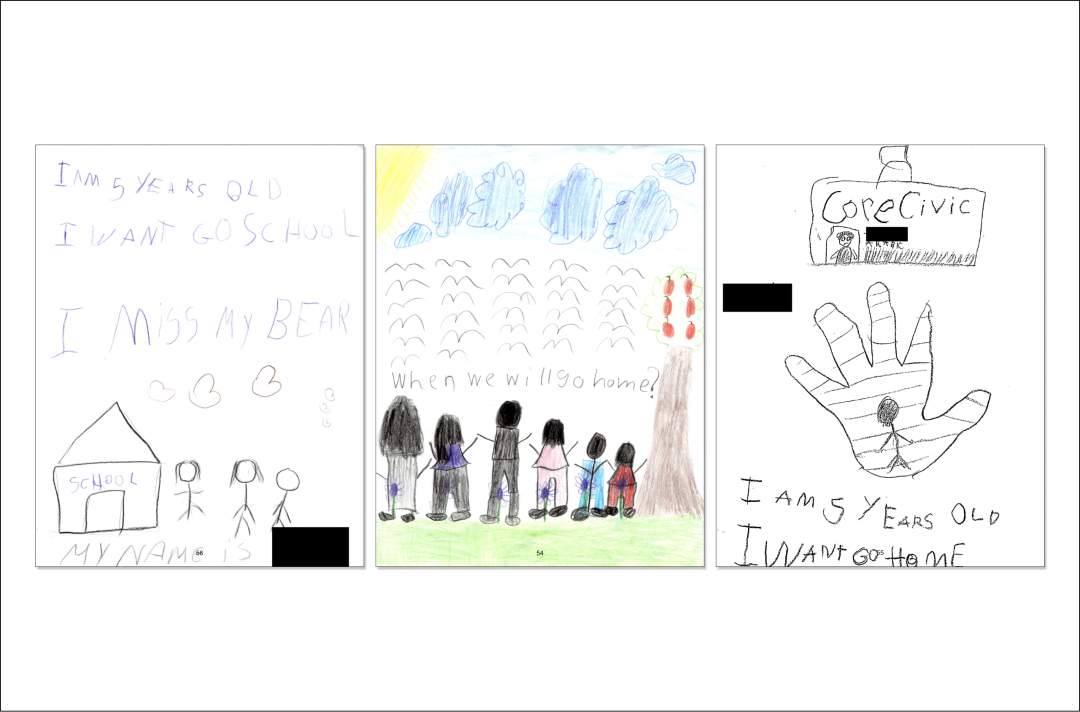


The GEO Group — a private prison corporation with a documented history of slave labor, medical neglect, and detainee abuse — has signed a $528.6 million contract with ICE to reopen a shuttered prison in Hudson, Colorado as a 1,188-bed immigrant detention center. The five-year deal, signed on July 9, will nearly double Colorado's immigrant detention capacity. The company expects to make roughly $85 million in the facility's first year.
The acting director of ICE, David Venturella, worked at the GEO Group from 2012 to 2023 and was paid as a company consultant until 2025. The official in charge of awarding detention contracts is a former executive of the company receiving them. In Washington, they call this the revolving door. In Hudson, they call it the new reality.
The GEO Group: Profits From Pain
The GEO Group is not a corrections company. It is a human caging operation that reported more than $250 million in profit in 2025 — a 700% increase from the previous year. It currently holds roughly one-third of all ICE detainees nationwide and operates at least 19 detention centers.
Its record is not a matter of dispute. It is a matter of public record:
- Slave labor: Thousands of ICE detainees have sued GEO for forced labor, alleging they were compelled to work for $1 per day under threat of solitary confinement — a direct violation of anti-trafficking statutes.
- Medical neglect: Detainees at GEO facilities have reported blood clots, untreated cancers, and denial of basic medical care. At the Adelanto facility in California, lawsuits documented inmates with lung blood clots being told to "drink water."
- Physical abuse: The Delaney Hall facility in New Jersey recently saw hunger strikes by detainees protesting conditions the BBC described as abusive. We documented the full scope of that crisis — a week of clashes, families in agony, and the machine that crushes everyone it touches.
- Hold rooms: ICE has been holding detainees — including children — in bedless "hold rooms" designed for 72-hour stays, sometimes for months. In Newark, one detainee was held for 292 days. Colorado has nine such facilities. The systemic nature of this abuse goes far deeper than any single facility.
The company that will now operate a 1,200-bed facility in Hudson has been sued so many times for violating human rights that "abuse" is effectively a line item in its business model. And the man running ICE used to collect a paycheck from them.
The GEO Group by the Numbers:
| Metric | Figure |
|---|---|
| 2025 profit | $250+ million (700% increase) |
| ICE detainees held | ~1/3 of all nationally |
| ICE detention centers operated | 19+ |
| Colorado contract value | $528.6 million |
| Hudson facility capacity | 1,188 beds |
| Combined Colorado capacity | 2,720 beds |
| Expected Year 1 revenue | ~$85 million |
| Monthly rent to landlord | $958,000+ (3% annual increase) |
Hudson: A Small Town, A Big Problem
Hudson is a town of roughly 1,500 people roughly 30 miles northeast of Denver. The Hudson Correctional Facility operated as a state prison until it was closed in 2014. Now known as the "Big Horn Contract Detention Facility," it will hold 1,188 ICE detainees alongside the 1,530 beds already available at the Aurora facility — also operated by GEO.
The town government says it was kept in the dark. Town manager Bryce Lange said municipal officials had not heard from GEO or ICE. The town "has not received detailed operational information directly from federal agencies" and does not know when the facility will open, how many detainees it will house, or what impacts it will have on local utilities, transportation, and emergency services.
"Town leadership recognizes that residents have strong and deeply personal views about immigration detention facilities," the town's statement reads. "The Town's role is not to determine federal immigration policy."
That may be true. But the town's role is also to protect its residents from a facility operated by a company with a record of neglecting health and safety. Karen Orona of the Colorado Immigrant Rights Coalition put it plainly: "Geo has a documented record of neglecting health and safety and cannot be trusted with human lives."
The lease between GEO and Highlands REIT — the Chicago-based company that owns the prison — begins August 1 and will last 88 months. Once the facility opens, Highlands will receive more than $958,000 per month, increasing 3% annually. The money flows whether the conditions are humane or not.
The Revolving Door: When the Guard Becomes the Inmate
The most damning detail in the Hudson contract is not the dollar figure. It is the identity of the official who approved it. David Venturella, ICE's acting director, worked at the GEO Group for 11 years. He was paid as a company consultant until 2025. Now he runs the agency that writes checks to his former employer.
This is not a conflict of interest. It is the complete elimination of the boundary between regulator and regulated, between government and contractor. The same company that pays the salaries of detained people at $1 per day is receiving $85 million per year from the agency whose director used to work for it.
And the rush to sign is transparent. ICE is working to bring 5,500 new detention beds online in the next 30 days, part of what the Colorado Times Recorder describes as an "ICE sprint" to expand capacity through "turn-key" facilities that avoid the permitting processes and local oversight that new construction would require. Hudson was chosen not because it was needed but because it was ready — a shuttered prison that could be activated without public input, environmental review, or community consent.

Protest speaker with megaphone at rally against ICE detention center in Hudson, Colorado
The Community Fights Back
Hudson residents have been protesting outside the facility's closed gates for months. Colorado Immigrant Partnership Teams (IPT Colorado) called the deal a move to a facility where "immigrants are held in appalling conditions, with inadequate food and medical care."
The ACLU of Colorado, which sued to obtain records about the expansion plan, described ICE's approach as one of systematic concealment:
"We have fought tooth and nail over the last year through public records litigation to get basic information about ICE's expansion plan, but ICE has tried to hide those plans behind heavily redacted documents at every turn."
The Delaney Hall hunger strikes are part of a broader pattern of resistance inside GEO facilities — detainees starving themselves for dignity rather than endure conditions the company refuses to fix. Andrea Loya, executive director of Casa de Paz, which works with ICE detainees at the Aurora facility, raised alarms about emergency response capacity:
"We already know that the Geo facility does not have the capacity to correctly manage the folks that it detains here in Aurora, and so honestly, it's really concerning that we're going to have a facility that far out, with the number of emergency calls per week, per day, that we witness every day."
Colorado's Democratic legislature responded by passing a new law requiring more oversight of immigrant detention facilities — including improved medical care and outside inspections. GEO's response was to sue the state, challenging its authority to impose those requirements on a federal contractor.
The pattern is consistent: expand capacity, resist oversight, profit from suffering, and use the courts to block anyone who tries to intervene. The same tactics that Nolan Wells' family encountered when they sought answers about his death — and the same obstruction that followed Kohen Wiley's killing in Senatobia.
2,720 Beds and Counting
With the Hudson facility online, Colorado will have 2,720 immigrant detention beds — nearly all operated by a single private company with a record of human rights violations. The ICE hold rooms scattered across the state will continue to hold detainees indefinitely. The profits will continue to flow. The revolving door will continue to spin.
This is the immigration enforcement apparatus that has now brought raids and state violence to communities across the country, that has now killed 11 people since January — including an innocent man gunned down in Houston and another in Maine — that shoots unarmed men during traffic stops, that arrests pro-Palestine donors on fabricated terrorism charges, and that sentences protesters to 450 years in prison for attending book clubs. It is an industry that feeds on human beings, and the Hudson contract is its latest $529 million expansion.
The facility will open. The beds will fill. The money will change hands. And the people caged inside will remain, as always, invisible — until something goes wrong enough to make the news, at which point the GEO Group will issue a statement about its "commitment to safety" and the cycle will continue.
Sources & Methodology(5 sources)
Methodology
Reported using coverage from the Denver Post, Colorado Times Recorder, Colorado Sun, Denver Gazette, and NPR. Federal contracting data from SAM.gov. Securities filings from Highlands REIT and GEO Group. ACLU of Colorado FOIA litigation records.
Frequently Asked Questions
- What is the Hudson detention center?
- The former Hudson Correctional Facility, a shuttered state prison 30 miles northeast of Denver, is being reopened as the 'Big Horn Contract Detention Facility' — a 1,188-bed ICE detention center operated by the GEO Group under a $528.6 million contract through 2031.
- Who is the GEO Group?
- The GEO Group is a private prison corporation that holds roughly one-third of all ICE detainees nationwide across 19+ facilities. In 2025, it reported $250 million in profit — a 700% increase. The company has faced repeated lawsuits for slave labor, medical neglect, and detainee abuse.
- What is the connection between ICE and the GEO Group?
- ICE acting director David Venturella worked at the GEO Group from 2012 to 2023 and was paid as a company consultant until 2025. The official overseeing ICE detention contracts is a former GEO executive.
- How does this affect Colorado?
- The facility will nearly double Colorado's immigrant detention capacity to 2,720 beds. The town of Hudson says it was kept in the dark about operational details. Local advocates and the ACLU have raised concerns about medical care, emergency response, and GEO's record of abuse.