
Israel Struck First. That Is Not a Debate.
On Sunday, June 7, 2026, Israel attacked what it claimed was a Hezbollah command center in the Dahieh district of southern Beirut. It did so without warning. It did so despite a direct US request not to strike Lebanon's capital. It did so under a ceasefire that had been in effect since April 8.
Two people were killed and eleven wounded in that initial strike, according to Lebanese state media. An unexploded missile was later photographed at the site by Lebanese intelligence officers — a grim artifact of Israel's precision targeting in civilian neighborhoods.
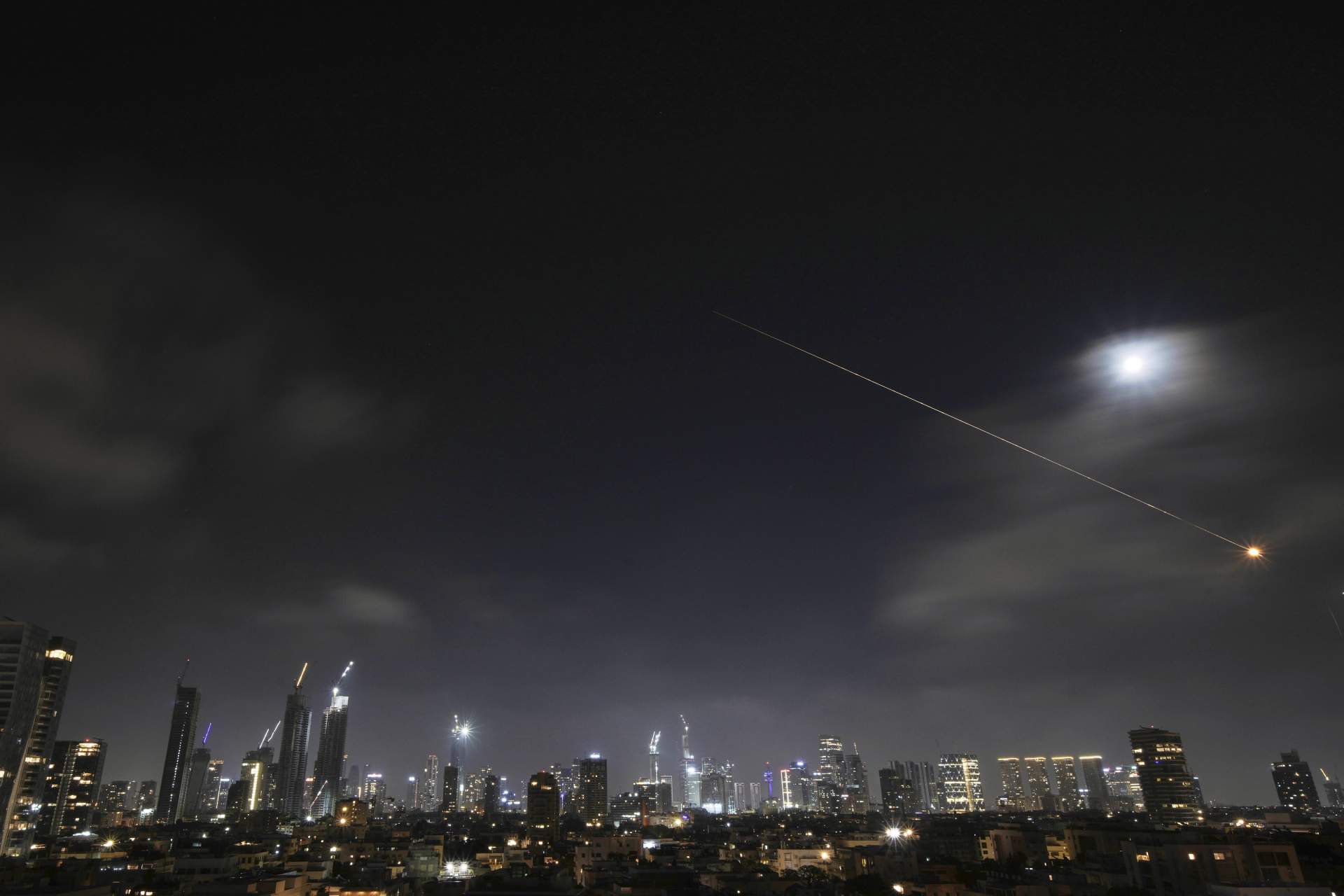
Iran's response came within hours: ballistic missile barrages targeting Israel. Israel's military said at least ten were intercepted. The Iranian parliament speaker declared US bases in the region "legitimate targets." The IRGC warned of "more crushing blows."
Israel then escalated further — striking targets in western and central Iran, including what was reportedly the Parchin military complex and a branch of Bank Sepah in Tehran. The IRGC claimed Israel used air-launched ballistic missiles. Iranian state television reported explosions in Isfahan, Tabriz, and Tehran.
This is the escalation chain. Israel struck Beirut. Iran fired missiles at Israel. Israel struck Iran. Read that again. Then ask yourself: why does every headline lead with "Iranian aggression"?
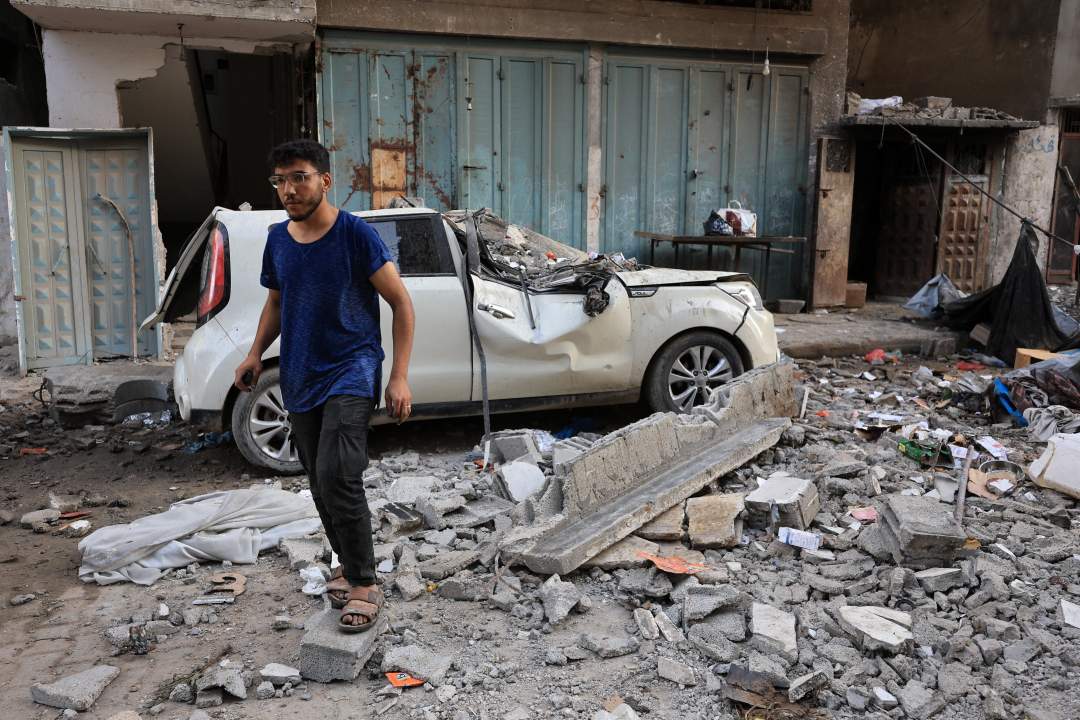
First responders inspect damage at the site of an Israeli airstrike in Beirut's southern suburbs on Sunday, June 7, 2026. — AFP via Getty Images
The Media's Lie Machine Is Already Running
USA Today called it "Iran's attack" — burying the Israeli strike on Beirut in the ninth paragraph. AP's headline led with "Israel says Iran launched missiles." The framing is already manufactured: Israel as the victim, Iran as the aggressor, the ceasefire as something Iran broke.
This is not journalism. This is stenography for a nuclear-armed apartheid state.
The same media institutions that spent eight months calling Israel's genocide in Gaza a "war" — that defended starvation as "pressure tactics" and white phosphorus on civilians as "proportional" — are now asking you to believe that Israel, which struck first on June 7, is the party responding to aggression. These are the same outlets that amplified Israel's October 7 rape hoax to justify 20 months of slaughter, and the same outlets that ignored when Israel admitted photoshopping evidence to justify killing a journalist. This is not a media failure. This is a media function.
We have been here before. Every ceasefire Israel has signed in the last year has been a waiting period before the next violation. The April 8 ceasefire lasted less than two months. Israel killed 936 Palestinians in Gaza during that so-called peace.
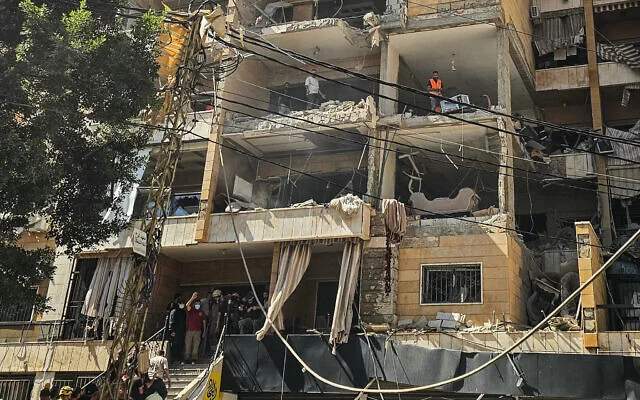
Emergency responders examining damaged building in Beirut Dahieh district after Israeli airstrike on June 7 2026
Netanyahu vs. His Own Far Right
Behind the scenes, the real story is the fracture inside Israel's government. According to Channel 12 reporting, Trump and Netanyahu exchanged multiple messages throughout the escalation. Trump urged restraint. Netanyahu initially resisted, telling the president: "The Iranians violated our sovereignty. We have to draw a red line."
Trump told Netanyahu the US would not grant "a green light" — though Israeli officials disagree on whether Trump understood that Israel planned to proceed anyway. After Israel's strikes on Iran, Iran approached the Trump administration saying it was prepared for a ceasefire.
National Security Minister Itamar Ben Gvir — the convicted racist who now controls Israel's police — reportedly pressured Netanyahu to defy Trump entirely. "We need to stand our ground against Trump," he said. "We need to fight tooth and nail and make it clear that we have red lines." Netanyahu shot back that Ben Gvir's position was about election politics, not strategy.
Finance Minister Bezalel Smotrich — who has openly called for annexing the West Bank — proposed what he called the "Beirut model": keep striking Hezbollah in Beirut rather than Iran directly. "Strike hard in Beirut," he said. "That will cause Hezbollah to beg for it to stop." This is the same Smotrich whose settler allies are waging ethnic cleansing in Khan al-Ahmar and burning Palestinian villages across the occupied territories. This is the government Israel elected.
This is the Israeli government: debating whether to defy its primary arms supplier and political patron, while one minister openly advocates for bombing Beirut until Lebanese civilians beg for mercy. This is the "democracy" your tax dollars defend.
Israeli security forces examine a fragment of an intercepted Iranian missile in northern Israel, early Monday, June 8, 2026. — AP Photo/Rami Shlush
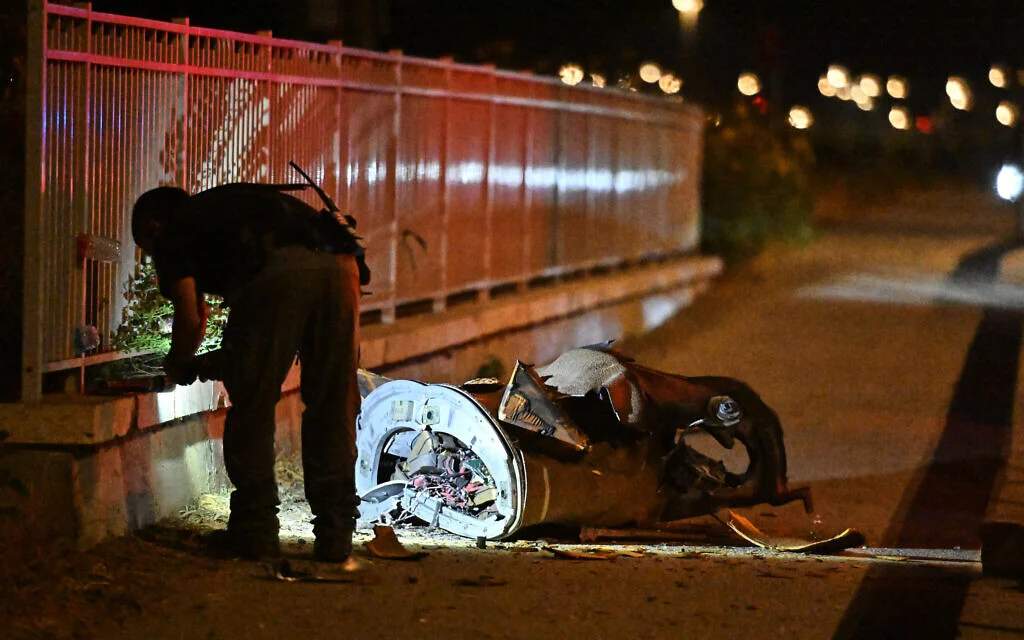
Israeli security personnel examining Iranian missile fragment in northern Israel on June 8 2026
The Pattern: Israel Kills Ceasefires
None of this is new. Israel has sabotaged every ceasefire, every negotiation, every diplomatic opening since October 2023. The pattern is consistent, documented, and undeniable:
In Gaza, Israel's so-called ceasefire has never stopped the killing. On June 4, Israeli airstrikes hit four apartments simultaneously in Gaza City, wiping out an entire family. Nine Palestinians were killed, including a nine-year-old girl left alive in the rubble. As of this writing, 936 Palestinians have been killed since the ceasefire began — a ceasefire that existed only in the headlines of Western newspapers. We documented this pattern in "Four Apartments. Nine Martyrs. One Nine-Year-Old Girl Left Alive. This Is Israel's Ceasefire." Before that, Israel killed 6-year-old Menna Allah Abu Labda during this same "peace." Before that, 900 Palestinians were dead since the ceasefire was declared. The killing never stops. It just changes headlines.
Israel's "Yellow Line" buffer zone is actively squeezing two million Palestinians into an ever-smaller pocket of Gaza — a de facto reoccupation disguised as a security measure. Ground troops are preparing for long-term control of territory that does not belong to them. While the world was distracted by the Iran exchange, Israel continued tightening its siege on Gaza and the West Bank, and the IOF demolished more Palestinian homes in Silwan while settlers rampaged across the West Bank.
From the ground in Gaza, Salah Akram has reported that the ceasefire was never real — that the bombing never stopped, that the starvation never ended, that Israel simply changed the language while continuing the annihilation. In "Gaza Is Shrinking: From the Ground, the Ceasefire Was Never Real", he wrote that Gaza is shrinking. In "The Streets That Swallow Us: A Day in the Annihilation of Gaza", he documented a single day in the annihilation — the bombs, the rubble, the families searching for bodies in concrete dust. Salah's field reporting is a direct counter to every Western headline that has called this ceasefire anything other than what it is: a fiction.
In the West Bank, the ceasefire never existed at all. Settlers have killed or stolen 8,000 sheep and goats in 2026 alone — starvation as a weapon against Palestinian farmers. Organized settler violence is escalating with full state backing: burning homes in Jalud, terrorizing schoolchildren, burning electricity cables to force Palestinian families out, terrorizing entire villages under the cover of military protection. The IOF soldier who killed a Palestinian infant at a checkpoint did so in his mother's arms. The grandmother was in the car and says they were stopped. This is not a rogue soldier. This is the occupation.
In Lebanon, the Ceasefire Was Always Fiction
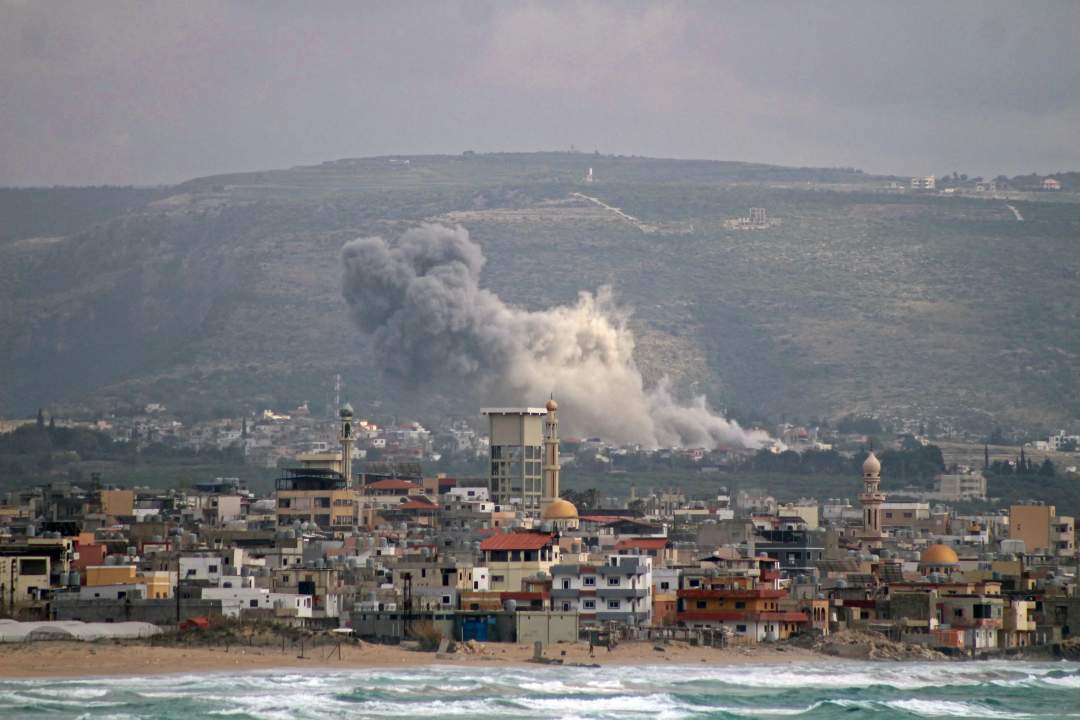
In Lebanon, the ceasefire has been even more of a joke than in Gaza. Israeli strikes have killed dozens across three days in early June: 35 on June 2, 48 on June 3, 10 on June 4. Lebanon has banned military activities by Hezbollah. Israel continues to strike anyway. On June 8 — the day after the Iran exchange — the IDF issued evacuation orders near Tyre and struck Hezbollah positions. Hezbollah has demonstrated that it will not accept negotiations on Israel's terms — rejecting Israel-Lebanon talks and rocketing northern Israel as Washington's negotiations began. Hezbollah fighters have ambushed Israeli forces in Bint Jbeil, luring them into a death trap. Israel started this war. It cannot end it by striking harder.
Israel's expansionist agenda extends far beyond Gaza. As we documented in our coverage of the West Bank ethnic cleansing campaign — the same blueprint Israel has followed for decades. The ceasefire was a tactical pause to resupply, reposition, and prepare for the next phase. June 7 was that next phase.
The Ceasefire Was Never Real. Neither Is Israel's Restraint.
The 2026 Iran war has now been raging for over three months. The US and Israel launched it on February 28 — striking Iran during nuclear negotiations, assassinating Supreme Leader Ali Khamenei, destroying military and civilian infrastructure alike. Iran responded with missile strikes on Israel, US bases, and Gulf states. The Strait of Hormuz — through which 20% of the world's oil passes — was closed, sending global energy markets into chaos.
By April 8, a ceasefire was declared. Trump declared victory, falsely claiming Iran had "nothing left in a military sense" and that the US had achieved regime change — despite the Islamic Republic remaining firmly in power. The ceasefire was a pause, not a peace. And on June 7, Israel shattered whatever remained of it.
Israel expects America to step in when it steps out of line and save it from the consequences of its own aggression. It expects the media to frame its first strikes as "retaliation." It expects the international community to condemn the response while ignoring the provocation. This is the same playbook used to justify the entire war — and nothing has changed. Not one thing.
And every single time, the system delivers.
There Will Never Be Peace as Long as Israel Holds the Region Hostage
Israel has assassinated negotiators, violated every agreement it signed, expanded settlements while pretending to negotiate, bombed civilians during ceasefires, and then cried victim when the consequences arrived at its doorstep. It has launched wars of aggression under fabricated pretexts. It has escalated while the world watched Iran and ignored what was happening in Palestine. This is not a state that wants peace. This is a state that wants submission — from Iran, from Lebanon, from Palestine, from the entire region.
Even within Israel, resistance exists. Veterans have been arrested protesting the Iran war, recognizing that the moment is too big for silence. Israeli reservists are refusing to serve, placing bounties on each one. The cracks in the hasbara wall are visible to anyone willing to look.
The June 7 exchange is not a surprise. It is the logical endpoint of a state that has never accepted any constraint on its violence — not international law, not US pressure, not the lives of its own civilians under missile fire. Israel chose escalation. Israel chose to violate the ceasefire. Israel chose to strike Beirut on a Sunday afternoon, kill civilians, and then act shocked when Iran fired back.
The ceasefire is dead. It was killed by the same state that has killed every ceasefire before it. And until the world stops rewarding Israel's bad faith with immunity, there will be no peace — because Israel does not want peace. It never has.
The only question left is how many more people will die before the rest of the world stops pretending otherwise.
Sources & Methodology(7 sources)
- AP NewsNews Article
Israel struck Beirut southern suburbs without warning on June 7. Iran responded with ballistic missile attacks. Israel then struck western and central Iran. AP documented the escalation chain with photo evidence.
- USA Today / APNews Article
Iran missile attack came after Israel struck the outskirts of Beirut on June 7 — the first such exchange since the April 8 ceasefire.
- Times of IsraelNews Article
Live coverage of June 8 events: Netanyahu-Trump communications, far-right pressure to defy Trump, Smotrich advocating Beirut model strikes.
- The War ZoneNews Article
Technical analysis of Iranian ballistic missile attacks on Israel on June 7.
Comprehensive timeline and casualty data for the 2026 Iran war, including the April 8 ceasefire and June 7 escalation.
- Iran FocusNews Article
IRGC statement claiming Israel used air-launched ballistic missiles to strike targets inside Iran during the June 7-8 exchange.
- UK House of Commons LibraryDocument
UK parliamentary research briefing on the 2026 US-Israel/Iran conflict background and UK response.
Methodology
Reported using AP News, USA Today, Times of Israel, The War Zone, Iran Focus, Wikipedia, UK House of Commons Library.
Frequently Asked Questions
- Who struck first in the June 7 escalation?
- Israel struck first — hitting Beirut's Dahieh district without warning, despite a US request not to strike Lebanon's capital and under an April 8 ceasefire. Iran responded with ballistic missiles. Israel then struck western and central Iran.
- Is the April 8 ceasefire still in effect?
- Functionally, no. Israel struck Beirut first on June 7, Iran fired missiles in response, Israel struck Iran. The ceasefire is dead.
- How did the US respond?
- Trump had multiple calls with Netanyahu urging restraint. Iran approached the US for a new ceasefire after the exchange.
- What is Smotrich's 'Beirut model'?
- Striking Hezbollah targets in Beirut directly rather than Iran, to avoid diplomatic costs while applying pressure.
- How is the media framing this?
- As 'Israeli retaliation' to 'Iranian aggression' — erasing that Israel struck first, consistent with their Gaza coverage.